The Rise of Urban Living
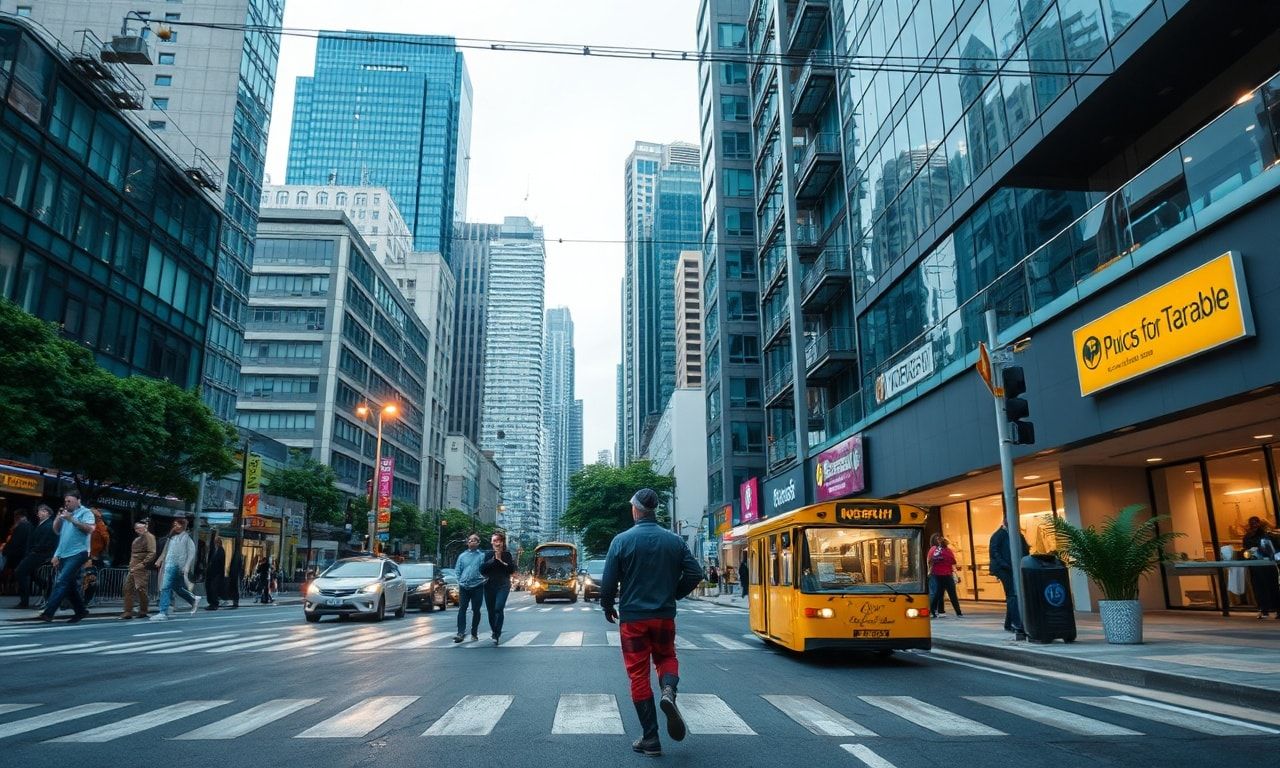
Urbanization has been a defining trend of the 21st century, with more people moving to cities than ever before. This shift has profound implications for various aspects of life, from housing to entertainment. As cities grow, they become hubs of culture, innovation, and economic opportunity. However, this rapid urban growth also presents challenges, such as increased living costs and strain on infrastructure.
The Housing Dilemma
One of the most significant impacts of urbanization is the housing dilemma. As more people flock to cities, the demand for housing skyrockets, leading to a surge in rent prices. For instance, cities like New York have seen a dramatic increase in living costs, making it difficult for many to afford decent housing. According to recent studies on New York housing market rent prices, the average rent for a one-bedroom apartment in Manhattan has reached unprecedented heights. This trend is not unique to New York; cities worldwide are grappling with similar issues.
Affordable Housing Solutions
To address the housing crisis, cities are exploring various solutions. Some are investing in affordable housing projects, while others are implementing rent control measures. Additionally, there is a growing interest in co-living spaces and micro-apartments, which offer more affordable alternatives to traditional housing. These innovative solutions aim to provide housing options that cater to the diverse needs of urban dwellers.
The Digital Age and Urban Living
The digital age has revolutionized urban living, making it more convenient and interconnected. With the rise of smartphones and high-speed internet, city dwellers can access a wealth of information and services at their fingertips. From ordering food to hailing a ride, technology has streamlined daily tasks, enhancing the quality of life in urban areas. Moreover, the proliferation of digital platforms has created new opportunities for work and entertainment, further enriching the urban experience.
The Role of Social Media
Social media has played a pivotal role in shaping urban lifestyles. Platforms like Instagram and TikTok have become virtual windows into the lives of city dwellers, showcasing the vibrant culture and dynamic pace of urban living. These platforms also facilitate community building, allowing people to connect with like-minded individuals and share experiences. However, the constant connectivity can also lead to information overload and social isolation, highlighting the need for a balanced approach to digital engagement.
The Environmental Impact
While urbanization brings numerous benefits, it also has a significant environmental impact. The concentration of people and activities in cities leads to increased energy consumption, air pollution, and waste generation. To mitigate these effects, cities are adopting sustainable practices such as green building standards, public transportation expansion, and waste management initiatives. These efforts aim to create more eco-friendly urban environments that can support the growing population without compromising the planet’s health.
Green Spaces and Urban Well-being
Green spaces are essential for maintaining the well-being of urban residents. Parks, gardens, and other natural areas provide a respite from the hustle and bustle of city life, offering opportunities for relaxation and recreation. Studies have shown that access to green spaces can improve mental health, reduce stress, and enhance overall quality of life. As cities continue to grow, prioritizing the development and maintenance of green spaces will be crucial for fostering a healthy and sustainable urban environment.
Conclusion
Urbanization is a complex phenomenon with far-reaching implications for modern lifestyles. While it presents challenges such as housing affordability and environmental degradation, it also offers opportunities for innovation, connectivity, and cultural enrichment. By adopting sustainable practices and leveraging technology, cities can create vibrant, inclusive, and resilient communities that cater to the diverse needs of their residents. As we navigate the challenges and opportunities of urban living, it is essential to strive for a balanced approach that prioritizes the well-being of both people and the planet.