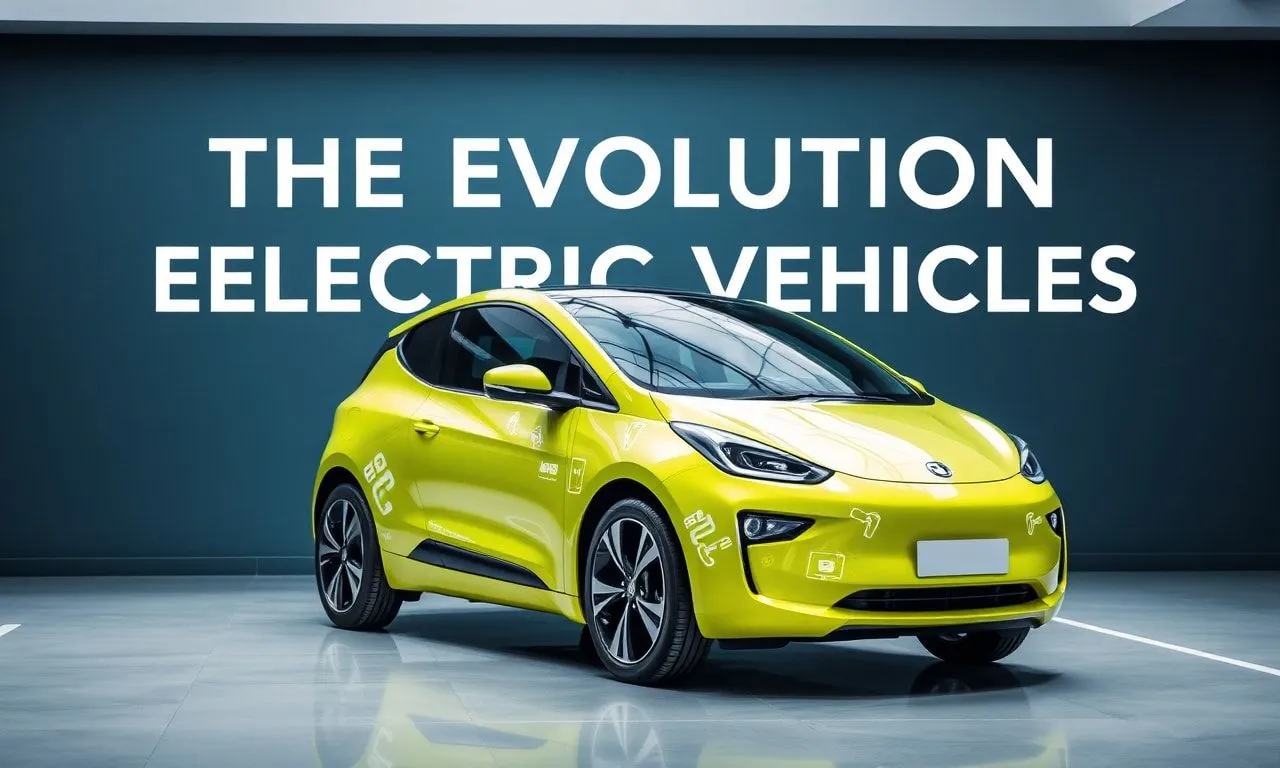
The Rise of Electric Vehicles
The automotive industry has witnessed a significant shift towards electric vehicles (EVs) in recent years. This transition is driven by a combination of environmental concerns, advancements in technology, and a growing demand for sustainable transportation solutions. Electric vehicles offer a cleaner alternative to traditional internal combustion engine (ICE) vehicles, reducing greenhouse gas emissions and dependence on fossil fuels. As governments worldwide implement stricter emissions regulations and consumers become more eco-conscious, the popularity of EVs continues to soar.
The Benefits of Electric Vehicles
Electric vehicles come with a plethora of benefits that make them an attractive option for modern drivers. Firstly, they are more energy-efficient compared to their gasoline counterparts. EVs convert over 77% of the electrical energy from the grid to power at the wheels, compared to only 12%-30% for gasoline vehicles. This efficiency translates to lower operating costs, as electricity is generally less expensive than gasoline. Additionally, EVs require less maintenance due to fewer moving parts, which means lower maintenance costs and fewer trips to the mechanic.
From an environmental perspective, EVs produce zero tailpipe emissions, which significantly reduces air pollution in urban areas. This is particularly beneficial for cities struggling with smog and poor air quality. Furthermore, as the electricity grid becomes greener with more renewable energy sources, the overall environmental impact of EVs continues to decrease.
Charging Infrastructure
One of the critical factors influencing the widespread adoption of electric vehicles is the availability of charging infrastructure. As more people consider making the switch to EVs, the need for accessible and reliable charging stations becomes paramount. Fortunately, the infrastructure is rapidly expanding, with new charging stations being installed in cities, highways, and even residential areas. For those looking to find the nearest charging station, resources like elektrikli araba şarj istasyonu konumları güncel provide up-to-date information on the locations of these stations, making it easier for EV owners to plan their journeys.
Challenges and Considerations
Despite the numerous advantages, there are still challenges that need to be addressed for the widespread adoption of electric vehicles. One of the primary concerns is the range anxiety experienced by potential EV owners. Range anxiety refers to the fear of running out of battery power before reaching a charging station. While modern EVs have seen significant improvements in battery technology, offering ranges that can exceed 300 miles on a single charge, range anxiety remains a concern for some consumers, particularly those who frequently undertake long-distance travel.
Another challenge is the initial cost of electric vehicles, which tends to be higher than that of traditional gasoline cars. However, it’s important to note that the total cost of ownership, which includes fuel savings and lower maintenance costs, often makes EVs a more economical choice in the long run. Additionally, many governments offer incentives such as tax credits, rebates, and exemptions from certain fees to encourage the purchase of EVs, further reducing the upfront cost.
Battery Technology and Innovation
Advancements in battery technology are playing a crucial role in the evolution of electric vehicles. Lithium-ion batteries, which are currently the most common type of battery used in EVs, have seen significant improvements in energy density, allowing for longer ranges and faster charging times. Researchers are also exploring alternative battery technologies, such as solid-state batteries, which promise even greater energy density and safety improvements. These innovations are expected to address some of the current limitations of EVs and make them more accessible to a broader range of consumers.
The Future of Electric Vehicles
The future of electric vehicles looks promising, with continued advancements in technology and a growing commitment from automakers to produce more electric models. Many major automakers have announced plans to phase out the production of gasoline-powered vehicles in the coming decades, focusing instead on electric and hybrid models. This shift is driven by consumer demand, regulatory pressures, and the need to reduce the environmental impact of the automotive industry.
As the technology continues to evolve, we can expect to see even more innovative features and improvements in electric vehicles. From autonomous driving capabilities to enhanced connectivity and smart features, the future of EVs is set to be exciting and transformative. The ongoing development of charging infrastructure, coupled with advancements in battery technology, will further accelerate the adoption of electric vehicles, making them a mainstream choice for drivers worldwide.
Conclusion
In conclusion, the evolution of electric vehicles represents a significant step towards a more sustainable and eco-friendly future. With their numerous benefits, including lower operating costs, reduced environmental impact, and advanced technology, EVs are poised to revolutionize the automotive industry. While challenges such as range anxiety and initial costs remain, ongoing innovations and government incentives are helping to address these issues. As we look to the future, the continued growth and development of electric vehicles will play a crucial role in shaping the way we think about transportation and our impact on the planet.
Intrigued by the evolving landscape of finance? Our latest feature, tech’s role in modern investing, delves into how innovation is shaping the future of the sector.
Curious about how technology is reshaping education? Our latest feature, digital era learning transformations, delves into the innovative ways tech is enhancing learning experiences worldwide.