The Importance of Public Transportation
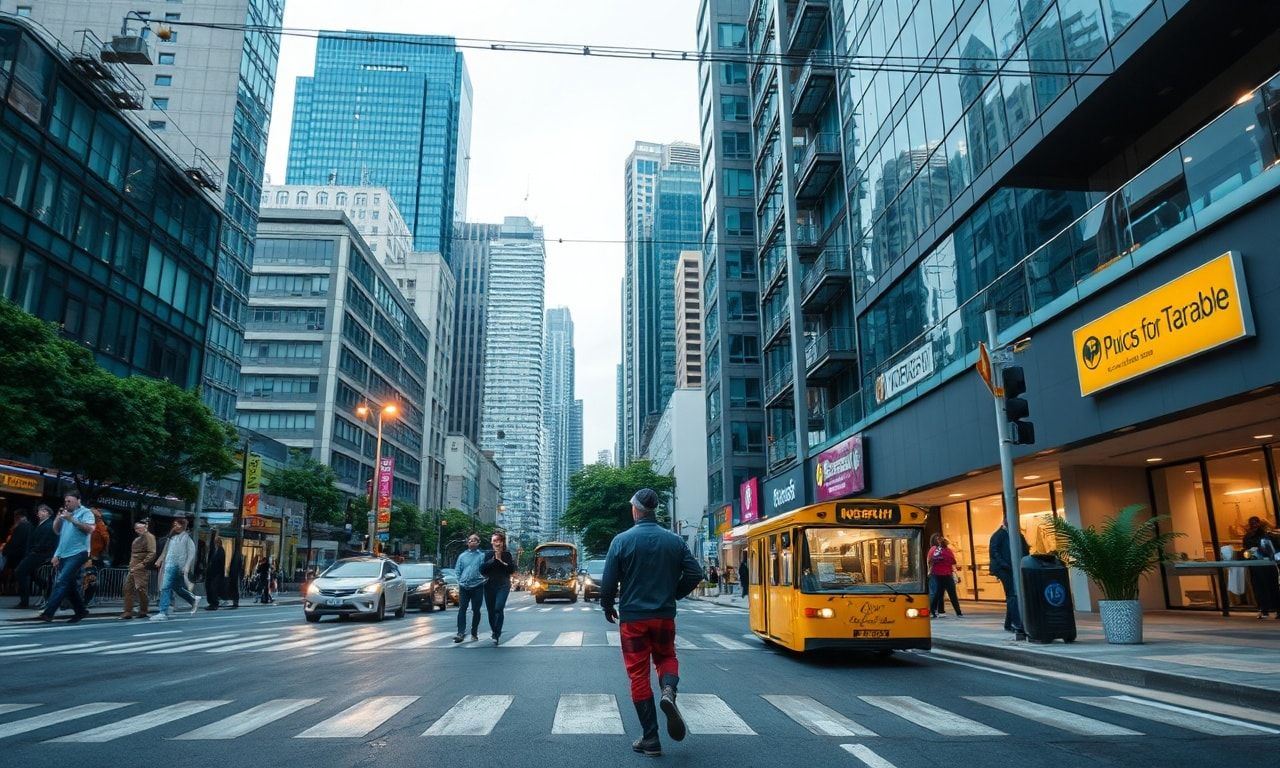
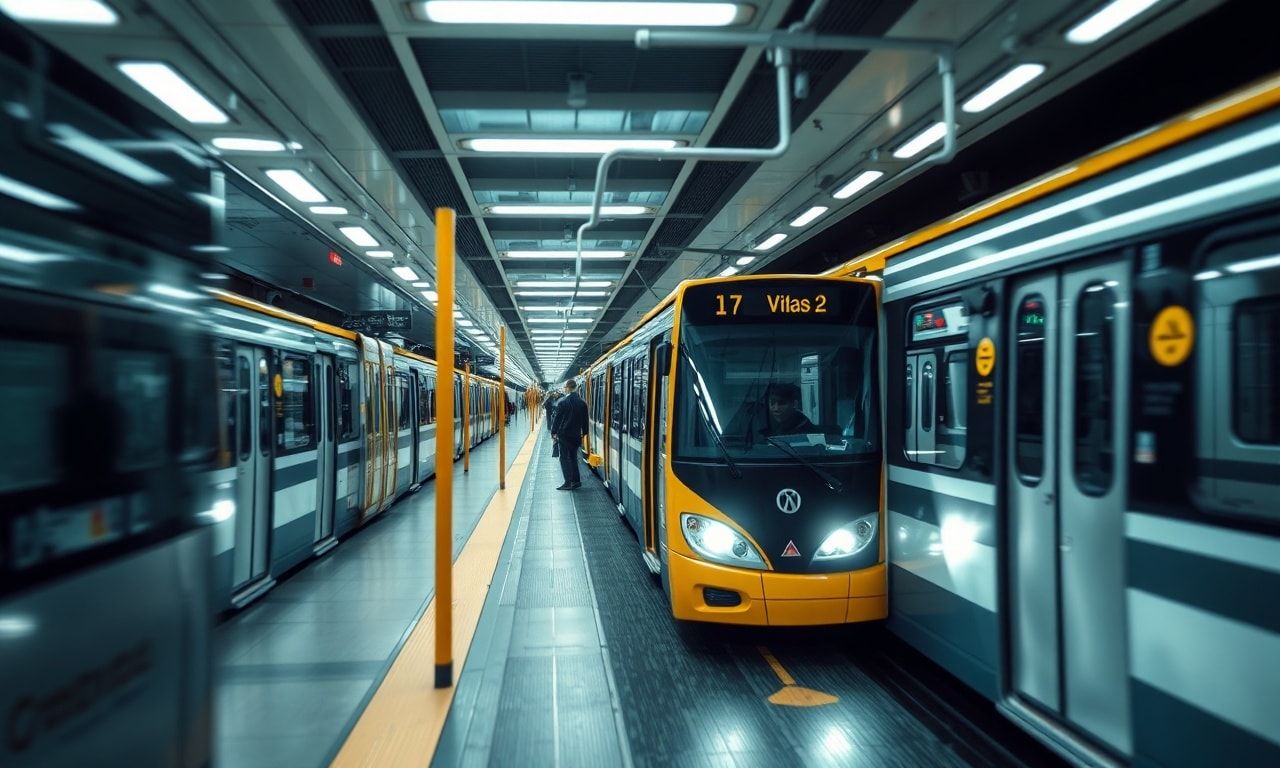
Public transportation is the lifeblood of urban areas, providing essential connectivity that fuels economic growth and social mobility. It reduces traffic congestion, lowers carbon emissions, and offers an affordable travel option for millions of people worldwide. The evolution of public transportation systems reflects the changing needs and technological advancements of societies. From horse-drawn carriages to high-speed trains, the journey of public transport is a testament to human ingenuity and adaptability.
Historical Milestones
The history of public transportation is rich with innovation. The first horse-drawn omnibus service began in Nantes, France, in 1826, marking the inception of public transit. The 19th century saw the introduction of steam-powered trams and the first underground railway in London in 1863. The early 20th century brought electric trams and buses, revolutionizing urban mobility. These milestones laid the foundation for the modern public transportation systems we rely on today.
The Role of Technology
Technology has played a pivotal role in the evolution of public transportation. The advent of electric vehicles, GPS navigation, and real-time tracking systems has significantly improved the efficiency and reliability of public transit. For instance, cities like Birmingham have embraced technological advancements to enhance their public transportation networks. According to birmingham public transport news, the city has introduced smart ticketing systems and electric buses to reduce emissions and improve service quality. These innovations are crucial for meeting the demands of a growing urban population.
Challenges and Solutions
Despite the advancements, public transportation faces numerous challenges, including funding shortages, aging infrastructure, and increasing demand. Urban planners and policymakers are constantly seeking solutions to these issues. One effective strategy is the integration of various modes of transport, such as buses, trams, and trains, into a seamless network. This approach not only improves connectivity but also encourages the use of public transport over private vehicles.
Sustainability and the Future
Sustainability is a key focus in the future of public transportation. With the growing concern over climate change, there is a pressing need to reduce the carbon footprint of transit systems. Many cities are investing in electric and hydrogen-powered vehicles, as well as renewable energy sources for their public transport networks. Additionally, the development of smart cities, where data and technology are used to optimize transportation systems, is gaining momentum. These initiatives aim to create more efficient, sustainable, and user-friendly public transportation networks.
Case Studies
Examining successful case studies can provide valuable insights into the future of public transportation. For example, cities like Tokyo and Singapore have implemented highly efficient and sustainable public transport systems. Tokyo’s extensive rail network, combined with its advanced traffic management systems, ensures smooth and timely travel for millions of commuters daily. Similarly, Singapore’s integrated public transport system, which includes buses, trains, and taxis, is a model of efficiency and sustainability. These examples highlight the potential for other cities to adopt and adapt best practices to meet their unique needs.
Community Engagement
Community engagement is crucial for the successful implementation of public transportation projects. Involving residents, businesses, and other stakeholders in the planning and decision-making processes ensures that the needs and preferences of the community are taken into account. This collaborative approach can lead to more effective and widely accepted solutions. For instance, community input has been instrumental in shaping the public transportation systems in cities like Portland, Oregon, and Curitiba, Brazil, where citizen participation has resulted in innovative and sustainable transit solutions.
Discover the lesser-known culinary gems of Birmingham with our latest feature, Birmingham’s hidden food treasures, and indulge in a gastronomic adventure like no other.
For more insights on this topic, you might find De Kunst van Reizen: Tips en particularly informative.