The Digital Media Landscape
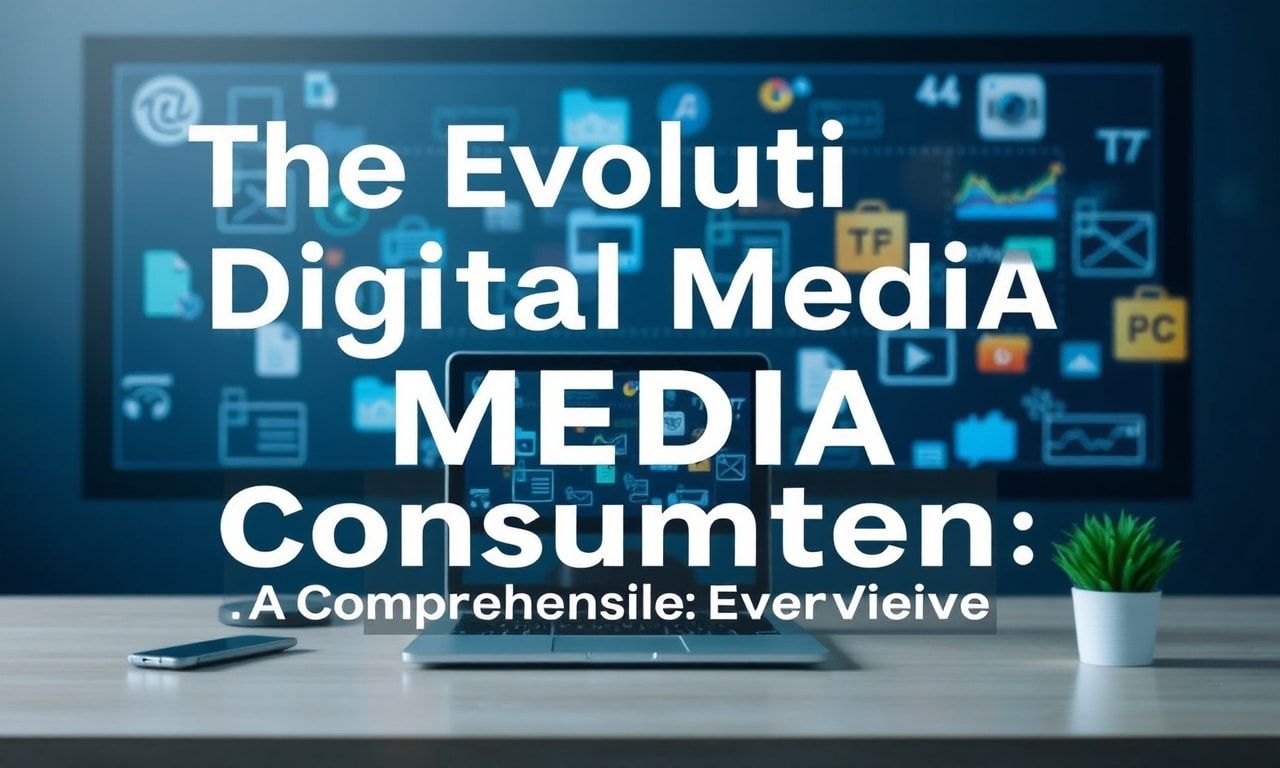
The way we consume media has undergone a profound transformation over the past few decades. The advent of the internet and digital technologies has revolutionized how we access, share, and interact with content. From traditional television and radio to streaming services and social media platforms, the digital media landscape is vast and continually evolving.
The Rise of Online Video Platforms
One of the most significant shifts in digital media consumption is the rise of online video platforms. Websites like YouTube have become hubs for entertainment, education, and information. These platforms allow users to upload, share, and view videos, making content creation and consumption more democratic than ever before.
For instance, tools like YouTube downloader have made it easier for users to save and watch videos offline, further enhancing the convenience of digital media consumption. This shift has not only changed how we watch videos but also how we interact with content creators and brands.
The Impact of Social Media
Social media platforms have also played a crucial role in shaping digital media consumption. Platforms like Facebook, Instagram, and Twitter have become integral parts of our daily lives, influencing how we receive news and entertainment. The instantaneous nature of social media allows for real-time updates and global connectivity, making it a powerful tool for information dissemination.
For the latest updates and news, many turn to reliable sources such as London latest news today update, which provides timely and accurate information. This blend of social media and traditional journalism ensures that consumers have access to a wide range of perspectives and information.
The Role of Streaming Services
Streaming services have further transformed the media landscape by offering on-demand content that can be accessed anytime, anywhere. Platforms like Netflix, Amazon Prime, and Disney+ have revolutionized the way we watch movies and TV shows. The convenience of streaming services has led to a decline in traditional cable subscriptions, as consumers prefer the flexibility and variety offered by these platforms.
Moreover, the rise of streaming services has also led to an increase in original content production. This has created new opportunities for content creators and has led to a more diverse range of programming options for consumers.
The Future of Digital Media
The future of digital media consumption is likely to be shaped by advancements in technology. Virtual reality (VR) and augmented reality (AR) are emerging technologies that have the potential to transform how we experience media. These technologies can provide immersive and interactive experiences, making content more engaging and personalized.
Additionally, the integration of artificial intelligence (AI) and machine learning (ML) in media consumption can lead to more personalized recommendations and content curation. This can enhance the user experience by providing tailored content that aligns with individual preferences and interests.
Conclusion
The evolution of digital media consumption has been driven by technological advancements and changing consumer preferences. From online video platforms to social media and streaming services, the digital media landscape is continually evolving. As technology continues to advance, we can expect even more innovative ways to consume and interact with media, making the future of digital media consumption exciting and dynamic.
Curious about how tech is reshaping the world of sports? Our latest feature, technology’s influence on modern sports, delves into the latest innovations transforming the game.
Discover how street art has transformed over the years by exploring street art’s cultural journey, from its rebellious roots to its current celebrated status.
If you’re looking to elevate your travel experiences, our latest feature mastering the art of travel offers practical tips and tricks to make your journeys truly unforgettable.