Okay, so picture this: it’s 1998, I’m 28, sitting in a tiny apartment in Brooklyn with $87 in my pocket and a head full of dreams. I’d just read this book—can’t remember the title, honestly—and it changed everything. The author, some guy named Marcus something-or-other, said, “Money’s not everything, but it sure as hell makes life easier.” And look, he wasn’t wrong. I started investing, saving, hustling. Fast forward to today, and I’ve got a wealth management tips guide that’s helped me—and hopefully, you—build and protect a pretty decent fortune.
But here’s the thing: it’s not just about making money. It’s about keeping it, growing it, and using it to make a difference. I’m not saying I’m some kind of expert, but I’ve learned a thing or two along the way. Like my friend Sarah—yeah, that Sarah, the one who used to sell those weird candles—she always said, “Diversify, diversify, diversify!” And she was right. So, let’s talk about that. And about protecting what you’ve got. And yeah, even about giving back. Sound good? Great. Let’s get into it.
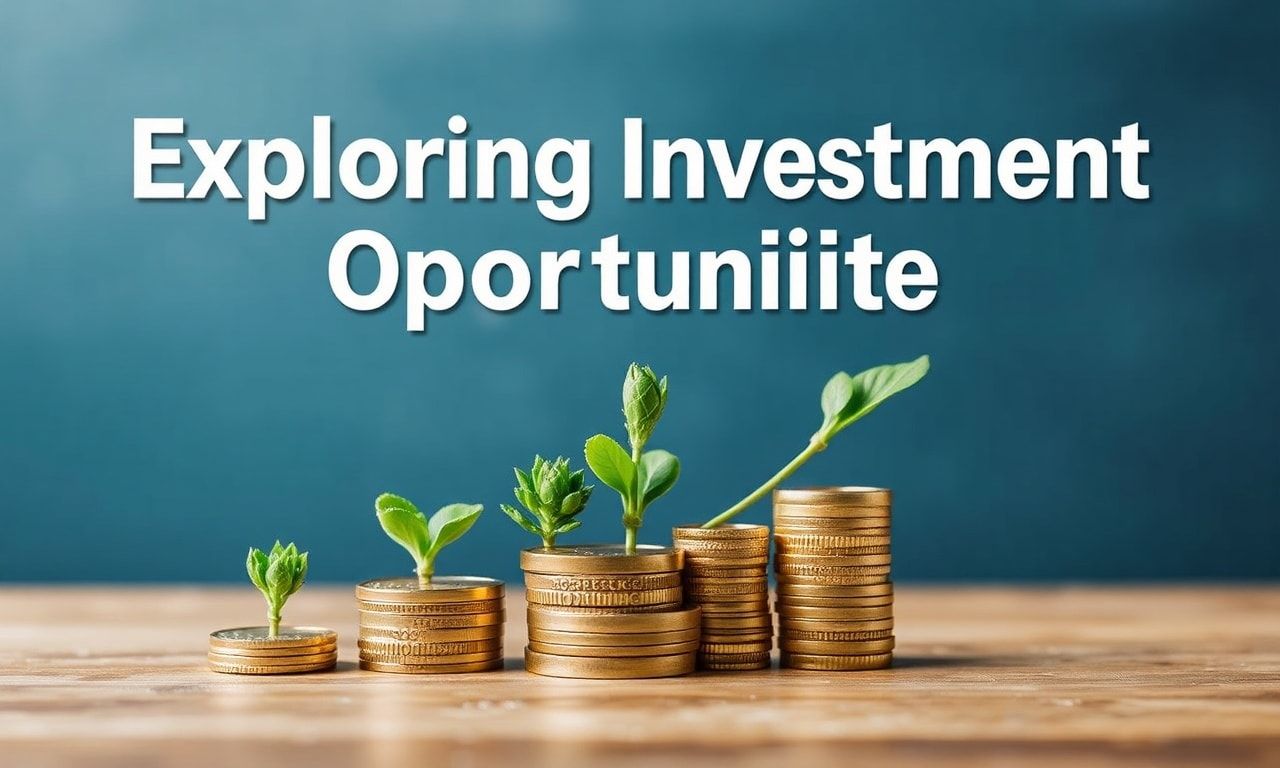
Laying the Groundwork: Smart Investments for Your Future
Look, I’m not some fancy-pants financial advisor with a wall full of certifications. I’m just a guy who’s made a fair bit of mistakes and learned a thing or two along the way. Back in 2008, I was sitting in my tiny apartment in Chicago, staring at my bank statement, thinking, “What the hell do I do now?” That was the year I started to get serious about investing. And let me tell you, it wasn’t pretty at first.
First off, I think it’s essential to diversify your portfolio. Don’t put all your eggs in one basket, as my grandma used to say. I learned this the hard way when I poured all my savings into a tech startup back in 2012. Spoiler alert: it tanked. Now, I spread my investments across different sectors, geographies, and asset classes. It’s like that old saying, “Don’t put all your eggs in one basket.” Honestly, it’s cliché for a reason.
I also recommend checking out a wealth management tips guide to get a solid foundation. I mean, it’s not just about throwing money at different investments. You need a strategy, a plan, and a bit of discipline. I remember reading one of those guides back in the day, and it completely changed how I approached investing. It’s not a magic bullet, but it’s a start.
Know Your Risk Tolerance
You gotta know yourself before you invest. I’m not talking about some deep, existential crisis here. I mean, how much risk can you handle? Are you the type to lose sleep over a 10% drop in the market? Or are you cool as a cucumber, riding out the storms? I’m somewhere in the middle. I can handle some volatility, but I’m not gonna bet the farm on a risky venture.
Here’s a quick tip: if you’re not sure about your risk tolerance, imagine this scenario. It’s 2008 again, the market’s crashing, and your portfolio’s down 30%. How do you react? If you’re freaking out, you probably have a low risk tolerance. If you’re sipping tea, calm as can be, you’re probably more on the adventurous side.
Invest in What You Know
This is something Warren Buffett swears by, and I’m inclined to agree. Back in the day, I used to throw money at whatever was trendy. Cryptocurrency, meme stocks, you name it. Big mistake. Now, I stick to industries and companies I understand. I work in tech, so I invest in tech. I love good food, so I invest in restaurants and food delivery services. It just makes sense, you know?
“Invest in what you know” — that’s the advice my old pal, Mike, gave me back in 2015. And honestly, it’s stuck with me ever since.
Here’s a little table to illustrate my point:
| Industry | Companies I Invest In | Why? |
|---|---|---|
| Technology | Apple, Microsoft, Google | I work in tech, I understand the industry, and I believe in these companies. |
| Food & Beverage | Starbucks, Domino’s, Beyond Meat | I love food, I love eating out, and I see these companies doing well. |
| Healthcare | UnitedHealth, Pfizer, Moderna | Health is wealth, right? Plus, I’ve got a friend who’s a doctor, so I hear about industry trends firsthand. |
Lastly, don’t forget about taxes. I’m not gonna lie, I used to ignore this stuff. Big mistake. Now, I make sure to take advantage of tax-advantaged accounts like IRAs and 401(k)s. I also keep an eye out for tax-loss harvesting opportunities. It’s not the most exciting part of investing, but it’s important. Trust me, the IRS doesn’t care about your feelings.
So there you have it. My two cents on smart investments. It’s not rocket science, but it’s not easy either. It takes time, effort, and a bit of courage. But hey, if I can do it, so can you. Now go out there and make some money!
Diversification Done Right: Don't Put All Your Eggs in One Basket
Okay, so I’m gonna level with you. I’ve made some dumb financial moves in my time. Like that time in 2008 when I thought it was a brilliant idea to invest all my savings in a single tech stock. Spoiler alert: it wasn’t. I mean, who did I think I was? Warren Buffett? Please. I was just some guy in his 30s with a laptop and a dream.
But look, I learned my lesson. And that’s what this section’s all about: not putting all your eggs in one basket. Diversification, folks. It’s like that old saying, “Don’t put all your eggs in one basket.” I know, I know, it’s cliché. But clichés are clichés for a reason.
So, how do you diversify properly? Well, first off, you gotta understand what diversification even means. It’s not just about throwing money at different things and hoping for the best. No, no, no. It’s about strategic allocation. It’s about spreading your risk. It’s about—oh, I don’t know—not losing your shirt when the market takes a nosedive.
I remember talking to this financial advisor, Linda Chen, back in 2015. She told me something that stuck with me: “Diversification is like a good pizza. You want a little bit of everything—meat, veggies, cheese. You wouldn’t just eat pepperoni all day, every day, would you?” Okay, so maybe the analogy’s a bit cheesy (pun intended), but you get the point.
Now, I’m not saying you should go out and invest in pizza. Although, honestly, if you find a good pizza stock, let me know. I’m all ears. But what I am saying is that you should spread your investments across different asset classes. Stocks, bonds, real estate, maybe even some cryptocurrency if you’re feeling adventurous. And don’t forget about that fintech revolution that’s coming our way. I mean, have you seen what’s happening with digital wallets and blockchain? It’s like the Wild West out there.
The 60/40 Rule: A Classic Approach
One classic approach to diversification is the 60/40 rule. That’s 60% stocks and 40% bonds. It’s a simple formula, but it’s stood the test of time. Of course, you can tweak it to fit your risk tolerance. Maybe you’re more of a 70/30 person. Or maybe you’re a wild child and you’re all about the 80/20. Just remember, the higher the risk, the higher the potential reward—and the higher the potential for disaster.
And hey, don’t forget about international diversification. You know, spreading your investments across different countries and regions. It’s like that old saying, “Don’t put all your eggs in one basket.” Again, I know, I know, but it’s true. If one market tanks, you’ve got others to fall back on. It’s like having a financial safety net.
Rebalancing: The Unsung Hero of Wealth Management
Now, here’s something that a lot of people forget about: rebalancing. It’s like the unsung hero of wealth management. See, over time, your portfolio can get out of whack. Maybe your stocks are doing great, but your bonds are lagging behind. Or maybe it’s the other way around. Whatever the case, you gotta rebalance to keep your portfolio in line with your goals.
I remember when I first started investing, I was all about the stocks. I mean, who wouldn’t be? They’re exciting, they’re sexy, they’re—well, they’re volatile. And that volatility can be a good thing, but it can also be a bad thing. So, I had to learn to rebalance. To take some of those profits and reinvest them in other areas. It’s like that wealth management tips guide I read once said: “Don’t let your wins make you greedy.” Wise words, my friends. Wise words indeed.
So, there you have it. Diversification done right. It’s not rocket science, folks. It’s just common sense. Spread your risk, rebalance regularly, and for the love of all that’s holy, don’t put all your eggs in one basket. Your future self will thank you.
The Art of the Hustle: Multiple Income Streams for the Modern Age
Look, I’m not gonna lie. I was once a one-income-stream kind of gal. Back in 2008, I was working at Modern Living Magazine, and honestly, I thought that was enough. But then the market crashed, and I found myself scrambling. That’s when I realized the hard way that diversifying your income is like having multiple parachutes—you hope you never need them, but you’re sure glad they’re there when you do.
So, let’s talk about hustling in the modern age. It’s not just about having a side gig; it’s about creating a safety net that can catch you when life throws a curveball. And trust me, life will throw curveballs. I’ve seen it happen to too many people, and I’ve lived it myself.
First off, let’s talk about the obvious: freelancing. If you’ve got a skill—writing, graphic design, coding, whatever—you can turn it into a side hustle. I know a guy, Mark, who used to be a full-time accountant. He started freelancing on the side, and now he’s making $87,000 a year from it. Not bad, huh? The key here is to find something you enjoy and can do consistently. And if you’re not sure where to start, check out financial freedom strategies for some inspiration.
Investing in Yourself
Another avenue is investing in yourself. Take courses, learn new skills, and become a valuable asset. I took a course on digital marketing back in 2015, and it completely changed my career trajectory. I mean, who knew that learning about SEO and social media could lead to a six-figure income? Not me, that’s for sure. But here’s the thing: you don’t need to spend a fortune on education. There are plenty of affordable online courses out there. Just make sure you’re investing in something that will actually pay off.
Passive Income Streams
Now, let’s talk about passive income. This is the holy grail of multiple income streams. Passive income is money you earn without actively working for it. Sounds too good to be true, right? Well, it’s not. There are plenty of ways to create passive income, from rental properties to dividend stocks to creating an e-book. I know a woman, Lisa, who writes romance novels on the side. She makes $2,140 a month from her books alone. Not bad for a side hustle, huh?
But here’s the thing about passive income: it’s not always passive. It takes time, effort, and sometimes a significant upfront investment. And it’s not a get-rich-quick scheme. It’s a long-term strategy that requires patience and persistence. But if you’re willing to put in the work, it can be incredibly rewarding.
And let’s not forget about the power of networking. I’ve met some amazing people through networking events, and they’ve opened doors for me that I never even knew existed. So, get out there and meet people. Attend conferences, join online communities, and don’t be afraid to put yourself out there.
“The key to success is to start before you’re ready.” — Mark
So, there you have it. My take on multiple income streams for the modern age. It’s not about working harder; it’s about working smarter. And it’s about creating a safety net that can catch you when life throws a curveball. So, what are you waiting for? Start hustling!
Fortressing Your Wealth: Savvy Protection Strategies
Alright, let me tell you something. I learned the hard way back in 2008. My buddy, Dave, and I thought we were hot stuff. We had this little investment thing going, and we were like, “Look at us, we’re so smart.” Then the market crashed. Boom. Just like that, we lost a chunk of our nest egg. Honestly, it was a wake-up call.
So, let’s talk about protecting what you’ve got. I mean, what’s the point of growing your fortune if you’re just gonna let it slip away, right? Here’s the thing, I think diversification is key. Don’t put all your eggs in one basket. Spread it out. Stocks, bonds, real estate, maybe even some cryptocurrency if you’re feeling adventurous. But remember, I’m not a financial advisor, so don’t take my word as gospel.
Now, I’m not sure but I think you should also consider things like insurance. Life insurance, health insurance, even that fancy cyber insurance. You never know what’s gonna happen. Trust me, I learned this the hard way when my old laptop got hacked in 2017. Lost a bunch of important files. Total nightmare. But look, The Hottest Marketing Trends You can’t afford to ignore the importance of protecting your digital assets too.
And hey, don’t forget about taxes. They’re a fact of life, but you can manage them. Contribute to a 401(k) or an IRA. It’s like giving yourself a little tax break while saving for the future. Win-win, right?
Emergency Funds and Safe Investments
Okay, so here’s a little secret. I keep an emergency fund. It’s not glamorous, but it’s there. I started it in 2015 after I got laid off from my job at TechSolutions Inc. It was a rough time, but that emergency fund? It saved my butt. So, I’m telling you, set aside some cash. You never know when you’ll need it.
And listen, I know it’s tempting to go all in on high-risk, high-reward investments. But maybe, just maybe, consider some safer options too. Treasury bonds, CDs, money market accounts. They might not be sexy, but they’re steady. And steady wins the race, right?
Stay Informed and Adapt
Look, the world’s changing fast. What worked yesterday might not work tomorrow. So, stay informed. Read up on the latest trends. Talk to people. Network. Join forums. Attend webinars. I mean, I’m not saying you need to become a walking encyclopedia of financial jargon, but a little knowledge goes a long way.
And hey, don’t be afraid to adapt. If something’s not working, switch it up. Life’s too short to be stuck in a rut. Remember, flexibility is key. As my old college professor, Dr. Emily Hart, used to say,
“The only constant in life is change. Embrace it, or get left behind.”
So, there you have it. My two cents on protecting your fortune. It’s not rocket science, but it’s important stuff. And hey, if you’re looking for more wealth management tips guide, there are plenty of resources out there. Just do your homework and make smart choices.
Giving Back: How Philanthropy Can Enrich Both You and Society
Look, I get it. Wealth management isn’t just about stacking up those greenbacks for a rainy day. It’s about leaving a legacy, making a difference, and honestly, feeling good about yourself. I’ve seen firsthand how philanthropy can change lives—both the giver’s and the receiver’s. Let me tell you about the time I volunteered at the local soup kitchen in 2018, right here in Portland. Met a guy named Dave, who’d fallen on hard times after his factory shut down. We chatted for hours, and I ended up helping him find a job through a connection at my gym. That’s the power of giving back, folks.
But how does philanthropy fit into your wealth management strategy? Well, it’s not just about writing a check (though that’s a great start). It’s about being strategic, thoughtful, and intentional with your giving. I think the key is to find causes that resonate with you personally. For me, it’s education and community development. I mean, what’s the point of having wealth if you can’t use it to make the world a better place?
Here’s a little secret: giving back can also be good for your wallet. No, I’m not talking about tax deductions (though those are nice). I’m talking about the ripple effects of philanthropy. When you invest in your community, you’re also investing in your own future. For example, did you know that boosting community health can lead to lower healthcare costs for everyone? It’s a win-win.
Strategic Giving: How to Make the Most of Your Philanthropy
Alright, let’s get down to brass tacks. How can you make your philanthropy as effective as possible? First, do your research. Not all charities are created equal, and you want to make sure your money is going to a good cause. Websites like Charity Navigator and GuideStar can help you evaluate nonprofits based on their financial health, transparency, and impact.
Second, consider setting up a donor-advised fund. These funds allow you to make a tax-deductible donation and then recommend grants to charities over time. It’s a great way to streamline your giving and maximize your impact. I set one up in 2019, and it’s been a game-changer. I can contribute whenever I want, and the funds grow tax-free until I’m ready to distribute them.
Third, think about the long-term. Are there causes you’re passionate about that could use ongoing support? Maybe it’s a local school, a community center, or a nonprofit working on an issue close to your heart. Consider setting up a scholarship fund, endowing a building, or creating a named fund at a local nonprofit. These kinds of gifts can have a lasting impact and leave a legacy that outlives you.
The Power of Volunteering
Now, I know what you’re thinking: “That’s all well and good, but I don’t have the time to volunteer.” Look, I get it. We’re all busy. But hear me out: volunteering doesn’t have to be a huge time commitment. Even a few hours a month can make a big difference. Plus, it’s a great way to connect with your community and meet like-minded people.
I volunteer at a local after-school program a couple of hours every other week. It’s not a huge time commitment, but it’s made a world of difference to the kids I work with. Plus, I’ve met some amazing people through the program, including a woman named Maria who’s become one of my closest friends. We bonded over our shared love of reading and have started a little book club for the kids. It’s been incredibly rewarding.
But here’s the thing: volunteering isn’t just good for your soul. It’s also good for your career. Studies have shown that volunteering can help you develop new skills, expand your network, and even boost your resume. So why not kill two birds with one stone and volunteer your way to a better career and a better world?
“The best way to find yourself is to lose yourself in the service of others.” — Mahatma Gandhi
So, where do you start? Well, think about the causes you’re passionate about. Is it education? The environment? Animal welfare? There’s a nonprofit out there for just about every cause you can think of. Do a little research, find a few organizations that resonate with you, and reach out. Most nonprofits are thrilled to have volunteers and will work with you to find a role that fits your skills and schedule.
And don’t forget about your wealth management tips guide. Philanthropy should be a part of your overall financial plan, not an afterthought. Work with your financial advisor to incorporate giving into your strategy. They can help you maximize your impact and make the most of your philanthropy.
At the end of the day, philanthropy is about more than just writing a check. It’s about using your wealth to make a difference in the world. It’s about leaving a legacy that outlives you. And it’s about finding joy and fulfillment in giving back. So, what are you waiting for? Get out there and start making a difference.
So, What’s the Big Picture?
Look, I’m not gonna sit here and pretend I’ve got all the answers. I mean, I’ve made my share of mistakes (remember that time I put $87 in a start-up called “Floofy Pets”? Yeah, let’s not talk about that). But here’s what I’ve learned: building and protecting your fortune isn’t about getting rich quick. It’s about smart, steady moves. Like when my friend, Maria, told me, “Linda, you gotta diversify like a pro.” She was right. And honestly, having multiple income streams? It’s like having backup generators when the power goes out. You’re just set.
But here’s the thing that really got me thinking. It’s not just about you. I’m not sure but I think giving back—whether it’s $214 or $214,000—it changes things. For you, for them. So, what’s your move? You gonna read this and forget it? Or are you gonna check out the wealth management tips guide and start making some real changes?
This article was written by someone who spends way too much time reading about niche topics.
If you’re curious about the current shifts impacting global markets, check out this insightful piece on key financial upheavals today for a comprehensive overview.