The Digital Revolution
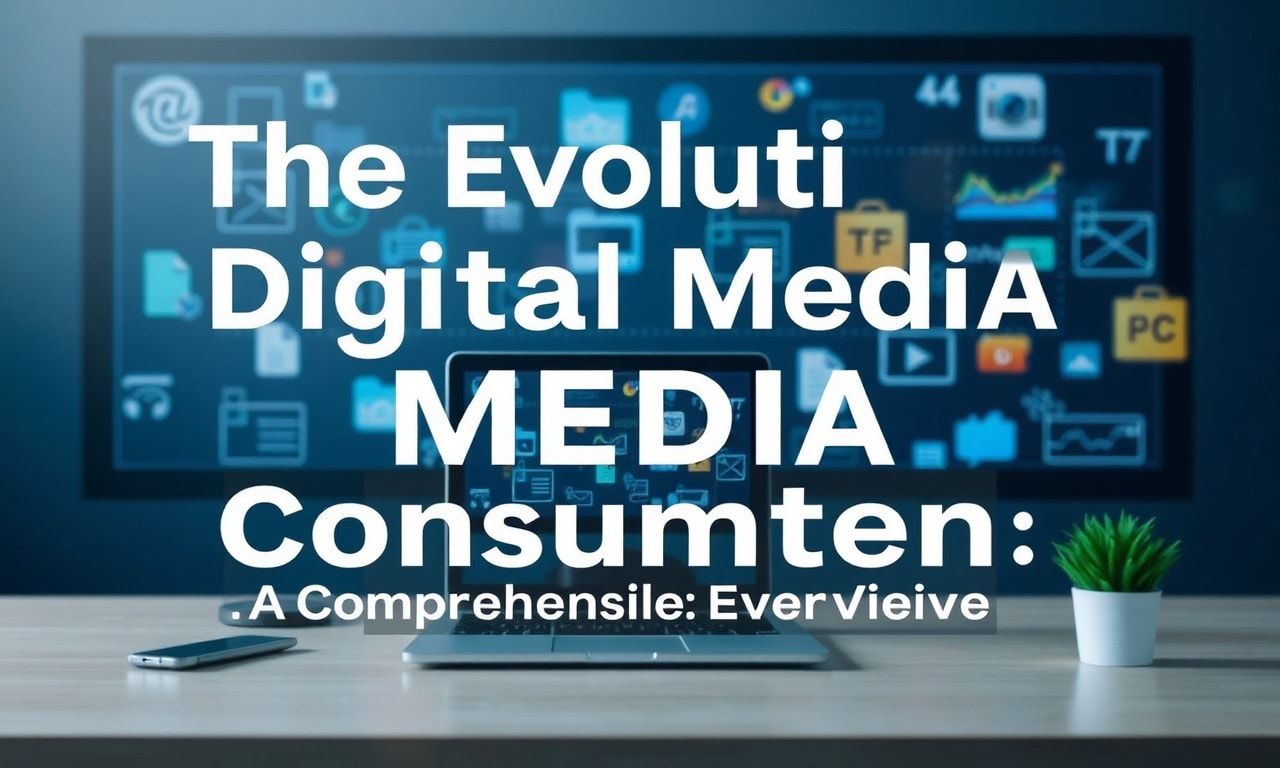
The way we consume media has undergone a seismic shift in the past two decades. The digital revolution has transformed how we access, share, and interact with content. From the early days of dial-up internet to the current era of high-speed broadband and mobile connectivity, the evolution has been nothing short of remarkable. This transformation has not only changed consumer behavior but also redefined the landscape of media production and distribution.
The Rise of Online Platforms
One of the most significant developments in digital media consumption is the rise of online platforms. Websites like YouTube, Netflix, and Spotify have become household names, offering a vast array of content that caters to diverse interests and preferences. These platforms have democratized access to media, allowing users to watch, listen, and interact with content anytime, anywhere. The convenience and variety offered by these platforms have made them indispensable in the modern digital ecosystem.
The Impact on Traditional Media
The proliferation of online platforms has had a profound impact on traditional media outlets. Newspapers, magazines, and television networks have had to adapt to the changing landscape by embracing digital distribution channels. Many have launched their own websites and mobile apps to reach a wider audience. This shift has led to a decline in print circulation and television viewership, as consumers increasingly turn to digital alternatives for their media needs. The ability to consume content on-demand has become a key factor in the decline of traditional media.
Moreover, the rise of social media platforms has further accelerated this trend. Platforms like Facebook, Twitter, and Instagram have become primary sources of news and entertainment for many users. The instantaneity and interactivity of these platforms have made them attractive alternatives to traditional media. The Dundee culture news today is a testament to how local news can be effectively disseminated through digital channels, reaching a global audience with just a few clicks.
The Role of Technology
Technological advancements have played a crucial role in shaping the digital media landscape. The development of high-speed internet, mobile devices, and streaming technologies has made it possible to access media content seamlessly. The advent of smartphones and tablets has further revolutionized media consumption, allowing users to carry their entertainment with them wherever they go. The integration of artificial intelligence and machine learning has also enhanced the user experience by providing personalized recommendations and improving content discovery.
The Future of Digital Media
As technology continues to evolve, the future of digital media looks promising. The emergence of virtual reality (VR) and augmented reality (AR) technologies is set to transform the way we interact with media. These technologies offer immersive experiences that blur the line between the digital and physical worlds. The potential applications of VR and AR in media consumption are vast, from virtual concerts to interactive news broadcasts. The integration of these technologies is expected to create new opportunities for content creators and enhance the overall user experience.
Additionally, the rise of 5G technology is poised to revolutionize digital media consumption. The increased speed and reliability of 5G networks will enable faster streaming, lower latency, and improved connectivity. This will pave the way for new forms of media, such as live streaming of high-definition content and real-time interactive experiences. The impact of 5G on digital media consumption is expected to be profound, opening up new possibilities for content creation and distribution.
The Importance of Digital Literacy
As digital media consumption continues to grow, the importance of digital literacy cannot be overstated. Understanding how to navigate the digital landscape, evaluate the credibility of online sources, and protect personal information is essential in today’s interconnected world. Digital literacy empowers individuals to make informed decisions about their media consumption and engage critically with the content they encounter. It also equips them with the skills needed to create and share their own content, contributing to the diverse and dynamic digital ecosystem.
Educational Initiatives
Educational initiatives aimed at promoting digital literacy are crucial in preparing individuals for the digital age. Schools, universities, and online platforms offer courses and resources that teach digital skills and media literacy. These initiatives help individuals develop the necessary competencies to navigate the digital world effectively. By fostering digital literacy, we can ensure that everyone has the opportunity to benefit from the wealth of information and entertainment available online.
In conclusion, the evolution of digital media consumption has transformed the way we access and interact with content. The rise of online platforms, the impact on traditional media, the role of technology, and the future of digital media are all key aspects of this transformation. As we continue to embrace the digital age, the importance of digital literacy cannot be overlooked. By promoting digital literacy and embracing technological advancements, we can ensure that everyone has the opportunity to participate in and benefit from the digital media landscape.
Ever wondered about the breakthroughs that changed our world? Discover the incredible stories behind 10 scientific discoveries that transformed humanity in our latest feature.
Dive into the vibrant world of Beijing’s entertainment scene with our latest feature, Beijing’s cultural entertainment highlights, covering everything from blockbuster films to chart-topping music.
Discover the secrets to transforming your home with our latest feature, designing spaces for tranquility, offering expert tips and trends.