The Evolution of Fashion
Fashion is a dynamic and ever-evolving industry that reflects the cultural, social, and technological advancements of society. Over the years, we have witnessed a beautiful blend of traditional and modern styles, creating a unique fusion that appeals to a global audience. This article explores the art of blending traditional and modern fashion, focusing on how different cultures are reinterpreting their heritage to create contemporary styles.
The Influence of Traditional Fashion
Traditional fashion has a rich history and cultural significance that continues to inspire modern designers. From the intricate patterns of African textiles to the elegant simplicity of Japanese kimonos, traditional clothing tells a story of a people’s history, values, and aesthetics. These traditional elements are often incorporated into modern designs to create a sense of nostalgia and cultural pride.
For instance, the kimono, a traditional Japanese garment, has seen a resurgence in modern fashion. The kimono’s elegant draping and vibrant patterns have been adapted into contemporary clothing, such as dresses, jackets, and even accessories. This fusion of traditional and modern elements creates a unique style that is both timeless and trendy. If you’re interested in exploring the versatility of kimonos, you might want to check out kimono fashion for different shoes to see how this traditional garment can be paired with various footwear to create a cohesive look.
The Rise of Modern Fashion
Modern fashion is characterized by its innovation, experimentation, and global influence. Designers are constantly pushing the boundaries of creativity, using new materials, technologies, and techniques to create unique and avant-garde designs. The rise of social media and fast fashion has also played a significant role in shaping modern fashion trends, making it more accessible and diverse than ever before.
However, the rapid pace of modern fashion has also raised concerns about sustainability and ethical practices. As consumers become more aware of the environmental and social impact of their purchases, there is a growing demand for sustainable and ethical fashion. This has led to a renewed appreciation for traditional craftsmanship and techniques, which are often more sustainable and eco-friendly.
The Fusion of Traditional and Modern Fashion
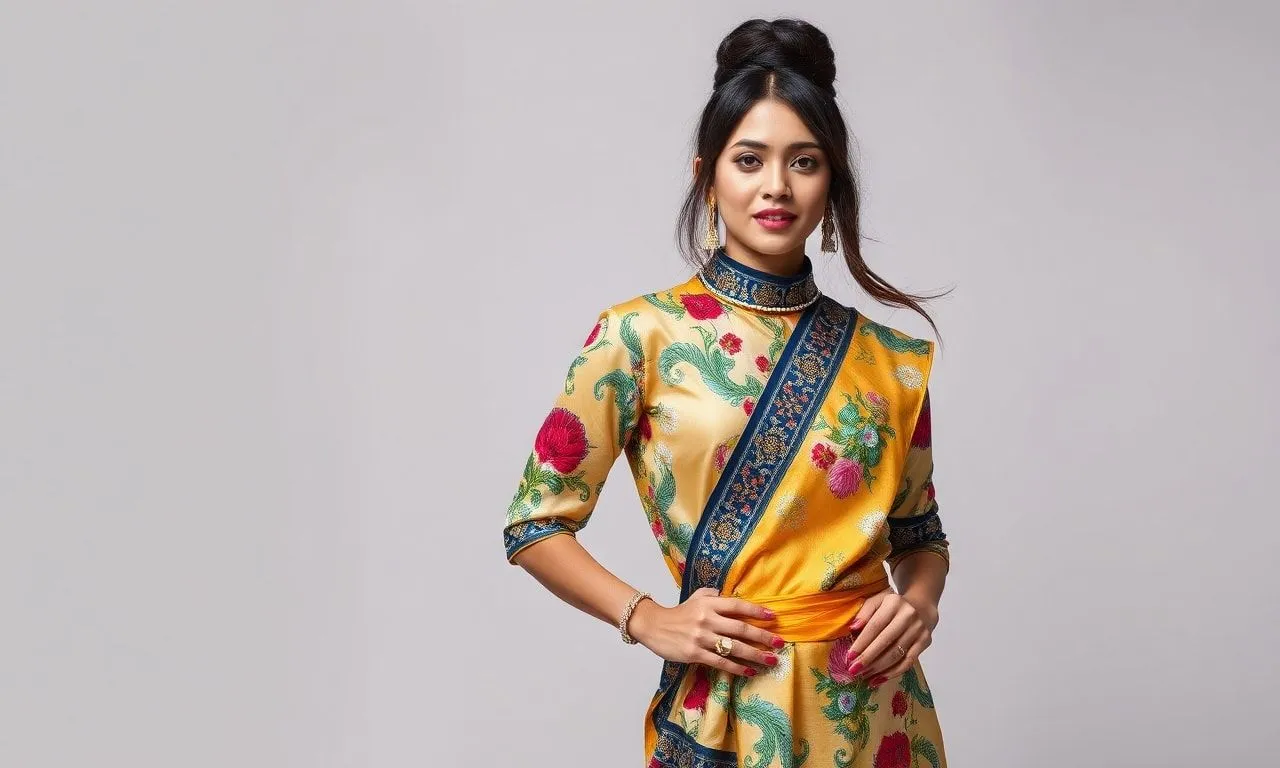
The fusion of traditional and modern fashion is a beautiful example of how culture and innovation can coexist. By blending traditional elements with modern designs, designers are able to create unique and culturally significant pieces that appeal to a global audience. This fusion not only preserves and promotes cultural heritage but also fosters a sense of inclusivity and diversity in the fashion industry.
For example, African print fabrics have been incorporated into modern designs, such as dresses, skirts, and accessories. These prints, which are often vibrant and colorful, add a touch of cultural richness to modern outfits. Similarly, Indian embroidery techniques, such as zari and gota work, have been used to create intricate and detailed designs on modern clothing.
Case Studies
One notable example of the fusion of traditional and modern fashion is the work of designer Anifa Mvuemba, who founded the brand Hanifa. Mvuemba’s designs are inspired by her Congolese heritage and often feature African prints and patterns. Her collections have been praised for their unique blend of traditional and modern elements, as well as their celebration of African culture.
Another example is the work of designer Prabal Gurung, who is known for his fusion of traditional Indian and modern Western designs. Gurung’s collections often feature intricate Indian embroidery and draping techniques, combined with modern silhouettes and fabrics. His designs have been worn by celebrities and fashion icons, such as Michelle Obama and Beyoncé, and have been featured in major fashion magazines, such as Vogue and Harper’s Bazaar.
The Future of Fashion
The future of fashion is likely to be shaped by a continued fusion of traditional and modern elements, as well as a growing emphasis on sustainability and ethical practices. As consumers become more aware of the environmental and social impact of their purchases, there is a growing demand for fashion that is not only stylish but also sustainable and ethical.
This has led to a renewed appreciation for traditional craftsmanship and techniques, which are often more sustainable and eco-friendly. Designers are also experimenting with new materials and technologies, such as 3D printing and biodegradable fabrics, to create unique and sustainable designs. The fusion of traditional and modern elements, combined with a focus on sustainability and ethical practices, is likely to shape the future of fashion in a positive and meaningful way.
Discover how style can impact learning in our latest feature, fashion’s role in education.
Embark on a captivating journey through the Land of the Rising Sun with our latest feature, Japan’s cultural tapestry unveiled, where tradition meets modernity in a vibrant display of heritage and innovation.
Curious about the transformation of fashion over time? Discover the journey from traditional to modern styles in our detailed exploration, the evolution of fashion trends.