Introduction to Public Discourse
Public discourse is a fundamental aspect of any democratic society. It encompasses the exchange of ideas, opinions, and information among individuals and groups. Effective communication in public forums, whether political, social, or educational, is crucial for fostering understanding and driving progress. This article delves into the intricacies of public discourse, offering insights and strategies to navigate these spaces effectively.
The Importance of Public Discourse
Public discourse serves as the backbone of a healthy democracy. It allows citizens to voice their concerns, debate issues, and influence policy decisions. Engaging in public discourse helps individuals develop critical thinking skills, broadens their perspectives, and fosters a sense of community. Moreover, it provides a platform for marginalized voices to be heard, ensuring that diverse viewpoints are considered in decision-making processes.
Key Benefits of Public Discourse
Engaging in public discourse offers numerous benefits, including:
- Informed Decision-Making: By participating in discussions, individuals gain access to a wealth of information, enabling them to make informed decisions.
- Strengthening Democracy: Active participation in public discourse strengthens democratic principles by ensuring that all voices are heard and considered.
- Building Community: Public discourse fosters a sense of community and shared purpose, bringing people together to address common challenges.
- Promoting Understanding: Engaging in dialogue with individuals from diverse backgrounds promotes mutual understanding and empathy.
Navigating Political Candidate Forums
Political candidate forums are a prime example of public discourse in action. These events provide a platform for candidates to present their policies and for the public to ask questions and express their concerns. Navigating these forums effectively requires preparation, active listening, and clear communication. For a comprehensive guide on how to participate in political candidate forums, refer to the political candidate forum guide.
Preparing for a Political Forum
Preparation is key to making the most of a political candidate forum. Research the candidates and their policies thoroughly to ask informed questions. Identify the issues that matter most to you and prioritize them. Additionally, familiarize yourself with the forum’s rules and procedures to ensure a smooth and respectful discussion.
Effective Communication Strategies
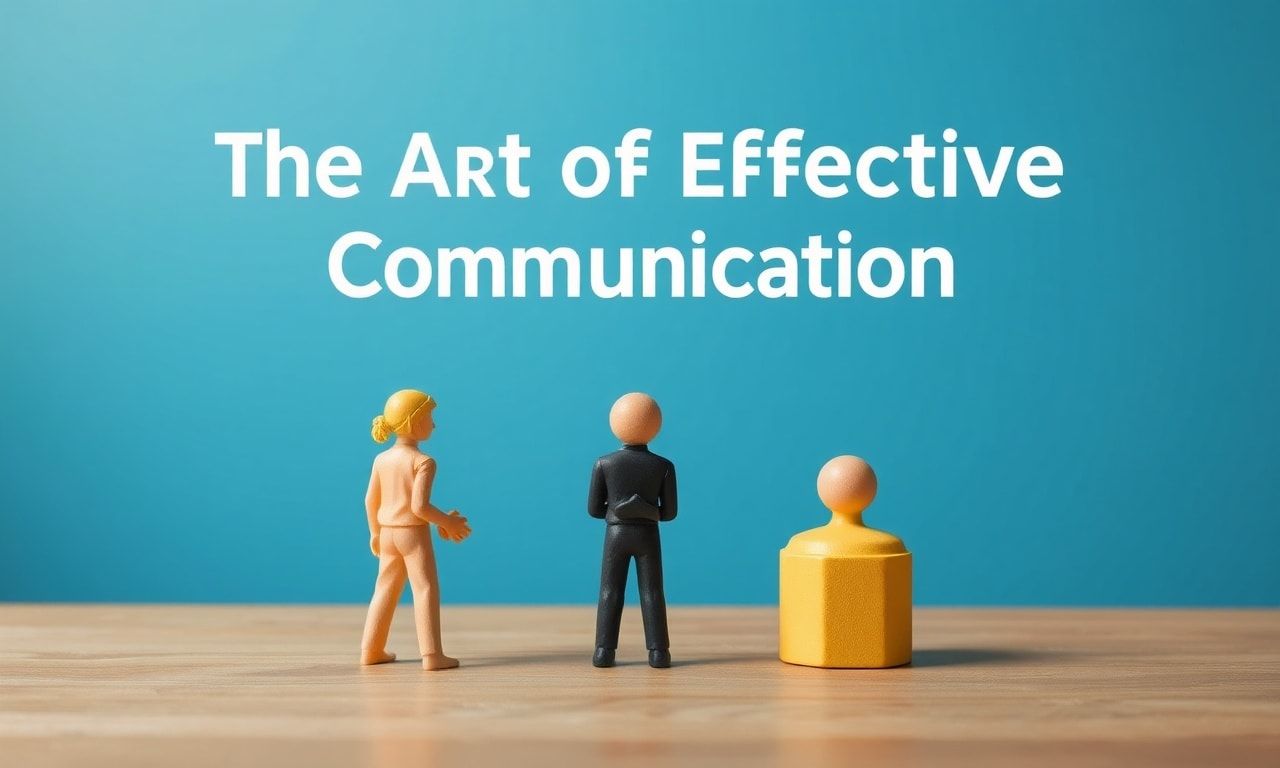
Effective communication is essential for productive public discourse. Whether you are speaking or listening, employing the right strategies can enhance the quality of the discussion and ensure that your message is understood. Here are some key strategies to consider:
Active Listening
Active listening is a crucial skill in public discourse. It involves fully engaging with the speaker, paying attention to their words, and responding thoughtfully. By practicing active listening, you demonstrate respect for the speaker and gain a deeper understanding of their perspective. This, in turn, fosters a more productive and respectful dialogue.
Clear and Concise Communication
Clear and concise communication is essential for conveying your message effectively. Avoid jargon and complex language that may confuse your audience. Instead, use simple, straightforward language to ensure that your points are understood. Structuring your arguments logically and providing evidence to support your claims can also enhance the clarity of your communication.
Overcoming Challenges in Public Discourse
Public discourse can be challenging, especially when dealing with contentious issues or diverse viewpoints. Overcoming these challenges requires patience, empathy, and a commitment to constructive dialogue. Here are some strategies to navigate these challenges effectively:
Managing Conflict
Conflict is inevitable in public discourse, but it can be managed effectively with the right approach. Focus on the issues rather than personal attacks, and strive to find common ground. Acknowledge the validity of different perspectives and work towards finding solutions that address the concerns of all parties involved. By maintaining a respectful and constructive tone, you can help to de-escalate conflicts and foster a more productive discussion.
Promoting Inclusivity
Promoting inclusivity in public discourse ensures that all voices are heard and valued. Encourage participation from diverse groups and create a welcoming environment where everyone feels comfortable expressing their opinions. By fostering inclusivity, you can enrich the quality of the discussion and ensure that all perspectives are considered in the decision-making process.
Conclusion
Public discourse is a vital component of a healthy democracy, providing a platform for individuals to exchange ideas, debate issues, and influence policy decisions. Navigating public discourse effectively requires preparation, active listening, clear communication, and a commitment to constructive dialogue. By employing these strategies, you can contribute to a more informed, inclusive, and respectful public discourse, ultimately strengthening the democratic process.
Discover how Birmingham is transforming through vibrant community efforts and local happenings in our latest feature, Birmingham’s cultural revival.
Discover how shared cinematic experiences can strengthen family bonds in our insightful piece, movies that unite families.
Discover the green revolution happening in our cities with urban gardens transforming concrete landscapes.