The Importance of a Well-Designed Home Office
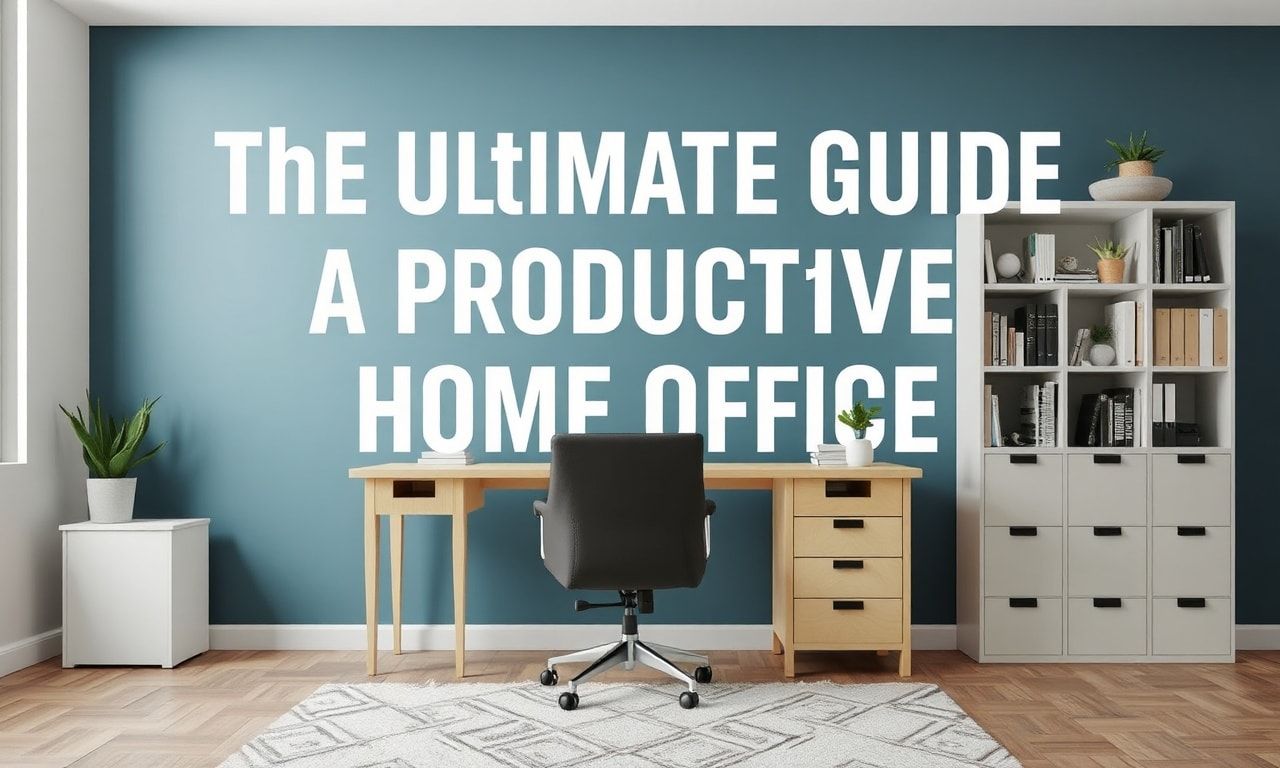
A well-designed home office can significantly enhance your productivity and overall work experience. With the rise of remote work, creating a dedicated workspace at home has become more important than ever. A home office that is both functional and comfortable can help you stay focused and motivated throughout the day. Whether you are a freelancer, a remote employee, or a small business owner, investing time and effort into setting up an efficient home office is crucial.
Essential Elements of a Productive Home Office
To create a productive home office, several key elements need to be considered. These include:
- Ergonomic Furniture: Invest in a comfortable chair and a desk that supports good posture.
- Natural Light: Position your desk near a window to maximize natural light, which can boost your mood and productivity.
- Minimal Clutter: Keep your workspace organized and free from distractions.
- Reliable Technology: Ensure you have a high-speed internet connection and up-to-date equipment.
- Personal Touches: Add personal items like plants, artwork, or photos to make your space feel inviting.
Incorporating these elements can help you create a home office that is both functional and inspiring. For more home office setup ideas budget, consider exploring various design options that fit your needs and preferences.
Optimizing Your Home Office Layout
The layout of your home office plays a significant role in your productivity. A well-thought-out layout can help you stay organized and minimize distractions. Start by identifying the primary activities you will be performing in your home office, such as writing, video conferencing, or creative work. Arrange your furniture and equipment to support these activities efficiently.
For example, if you frequently engage in video calls, position your desk near a neutral background to avoid distractions. If you spend a lot of time writing, ensure your desk is at a comfortable height and has enough space for your notebooks and other supplies. Additionally, consider the flow of natural light and how it affects your workspace. A well-lit office can enhance your mood and energy levels, making you more productive.
Ergonomics and Comfort
Ergonomics is a critical aspect of a productive home office. An ergonomic setup can prevent discomfort and long-term health issues, such as back pain and eye strain. Invest in an adjustable chair that supports your lower back and allows you to maintain good posture. Your desk should be at a height that allows your arms to rest comfortably while typing. Consider using a standing desk if you prefer to alternate between sitting and standing throughout the day.
Additionally, ensure your computer monitor is at eye level to avoid neck strain. Use an external keyboard and mouse if necessary to maintain a comfortable typing position. Proper lighting is also essential to reduce eye strain. Natural light is ideal, but if that’s not possible, use a desk lamp with adjustable brightness.
Technology and Tools for a Modern Home Office
Technology plays a vital role in a modern home office. Having the right tools and equipment can significantly enhance your productivity and efficiency. Start with a reliable computer that meets your work requirements. Whether you prefer a desktop or a laptop, ensure it has sufficient processing power, memory, and storage to handle your tasks smoothly.
Invest in a high-quality webcam and microphone if you frequently engage in video conferences. A good pair of noise-canceling headphones can also improve your focus and communication quality. Additionally, consider using productivity software and apps to streamline your workflow. Tools like project management software, time-tracking apps, and note-taking applications can help you stay organized and on track.
Internet Connectivity
A stable and high-speed internet connection is essential for a productive home office. Slow or unreliable internet can lead to frustration and lost productivity. If possible, opt for a wired connection to ensure consistent performance. If you rely on Wi-Fi, consider using a Wi-Fi extender or mesh network to improve coverage and speed.
Additionally, having a backup internet connection, such as a mobile hotspot, can be a lifesaver in case of outages. Regularly check your internet speed and contact your service provider if you experience consistent issues. A reliable internet connection is crucial for seamless communication, file sharing, and accessing cloud-based tools.
Personalizing Your Home Office
Personalizing your home office can make it a more enjoyable and inspiring space. Adding personal touches can boost your mood and creativity, making you more productive. Consider incorporating elements that reflect your personality and interests, such as artwork, plants, or photographs. These personal touches can create a welcoming atmosphere and make your home office feel like a true extension of your home.
Additionally, consider the color scheme and decor of your home office. Choose colors that promote focus and relaxation, such as soft blues, greens, or neutrals. Add plants to your workspace to improve air quality and create a calming environment. Personalizing your home office can make it a space where you feel comfortable and motivated to work.
Organizational Tips
Keeping your home office organized is essential for maintaining productivity. Clutter can be distracting and make it difficult to focus on your tasks. Start by decluttering your workspace and removing any items that are not essential. Use storage solutions like shelves, drawers, and filing cabinets to keep your office tidy and organized.
Consider using desk organizers to keep your supplies within reach and easily accessible. Label your files and documents to make them easy to find. Regularly review and update your organizational systems to ensure they continue to meet your needs. A well-organized home office can help you stay focused and efficient, allowing you to accomplish more in less time.