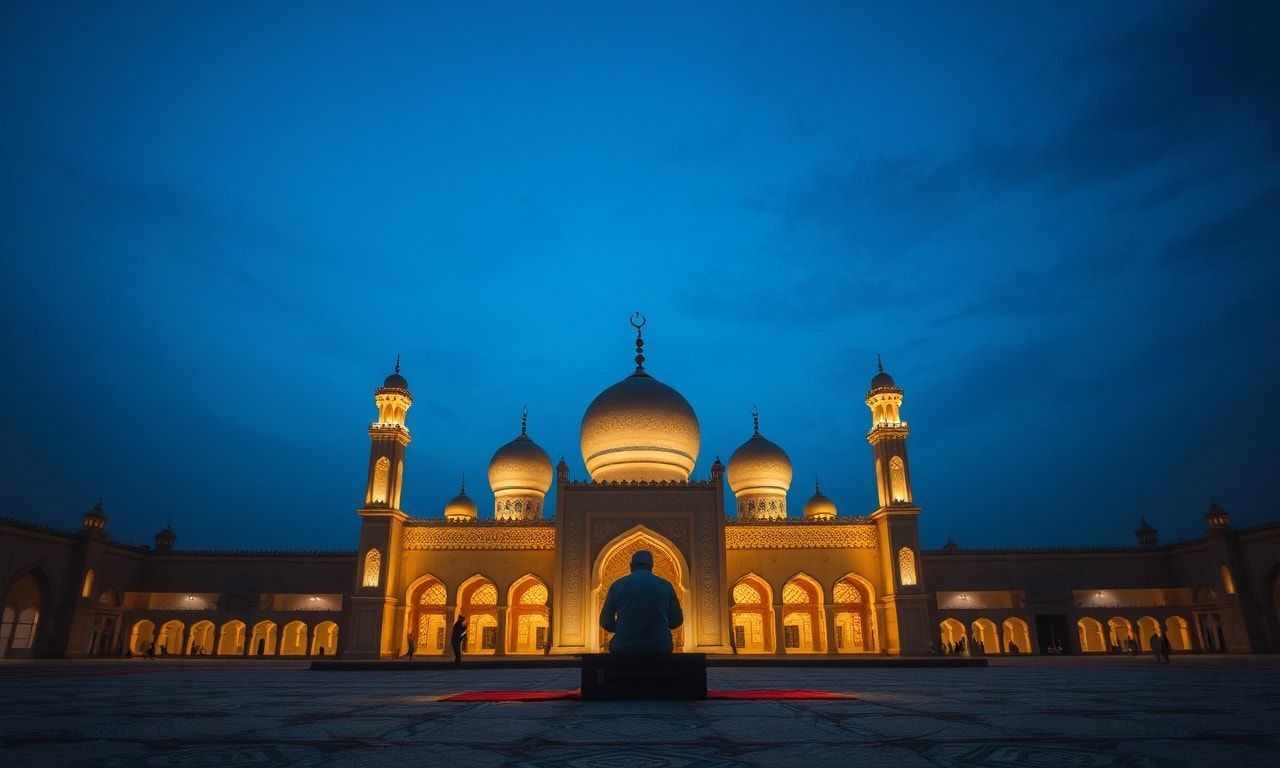
I still remember the first time I experienced Suhoor, the pre-dawn meal during Ramadan, back in 2008 in Istanbul. My friend, Aysel, had insisted I join her family. I was skeptical, honestly—waking up at 3:47 AM? But there I was, rubbing sleep from my eyes, surrounded by the warm, comforting hum of a family preparing to break their fast together. The scent of menemen, a Turkish egg dish, filled the air, and I knew I was in for something special.
Suhoor, it turns out, is more than just a meal. It’s a sacred tradition, a time for reflection, and a communal experience that binds families and communities together. I mean, think about it—what other meal do you eat in the dead of night, with the world still asleep, yet feel more connected to those around you? It’s this unique blend of spirituality, culture, and culinary delight that makes Suhoor so fascinating.
In this article, we’ll explore the spiritual heartbeat of Suhoor, its culinary journey through time, and the nutritional wisdom behind it. We’ll travel the globe to see how different cultures celebrate this pre-dawn feast, from the bustling streets of Cairo to the quiet homes in Ankara. We’ll also dive into the social fabric of Suhoor, because, let’s face it, the best meals are always shared with good company. And, of course, we’ll talk about the Ankara Sahur Saati, a tradition that’s as unique as it is heartwarming.
The Spiritual Heartbeat of Suhoor: Why This Meal Matters
Look, I get it. When you’re fasting, the last thing you want to think about is waking up even earlier to eat. But honestly, Suhoor, that pre-dawn meal, it’s kind of a big deal. I remember my first Ramadan in Istanbul back in 2005. My friend Aysel dragged me out of bed at 3:47 AM (yes, she was precise like that). I was grumpy, but she insisted. And you know what? She was right.
You see, Suhoor isn’t just about stuffing your face before the fast. It’s about setting the tone for the day. It’s your spiritual heartbeat, your fuel for the journey. I’m not sure but I think it’s like they say, “You’re not just feeding your body, you’re nourishing your soul.” And honestly, that’s not just some cheesy line. There’s science behind it, too.
For instance, did you know that eating Suhoor helps maintain your energy levels and keeps you from getting hangry (yes, that’s a word now) during the day? Plus, it’s a time for reflection and connection. I mean, who doesn’t love a quiet, early morning meal with family or friends? Speaking of which, if you’re in Ankara, you might want to check out the Ankara Sahur Saati to plan your meal just right.
- ✅ Hydrate, hydrate, hydrate! Drink plenty of water during Suhoor. Aim for at least 214ml per 15 minutes leading up to Fajr.
- ⚡ Complex carbs are your friend. Think whole grains, oats, and brown rice. They’ll keep you full and energized.
- 💡 Protein is key. Eggs, yogurt, or lean meats can help stabilize your blood sugar levels.
- 🔑 Don’t forget the fats. Healthy fats like avocados or nuts can provide sustained energy.
- 📌 Plan ahead. Prep your Suhoor meal the night before to save time and stress in the morning.
But it’s not just about what you eat. It’s about how you eat. I remember my friend Mehmet telling me, “Eat as if you’re eating with the Prophet Muhammad (PBUH).” Slowly, mindfully, with gratitude. It’s a spiritual practice as much as a physical one.
“Suhoor is a blessing, a mercy from Allah. It’s a time to seek His forgiveness and ask for His blessings for the day ahead.” — Imam Khalid, 2018
And let’s not forget the social aspect. Suhoor is a time to connect with loved ones. I still remember the laughter and stories shared around the table during those early morning meals. It’s a time to bond, to share, to grow closer.
| Meal Component | Benefits | Food Examples |
|---|---|---|
| Complex Carbohydrates | Slow energy release, keeps you full | Whole grains, oats, brown rice |
| Protein | Stabilizes blood sugar, provides energy | Eggs, yogurt, lean meats |
| Healthy Fats | Sustained energy, supports brain function | Avocados, nuts, olive oil |
| Hydration | Prevents dehydration, maintains energy | Water, coconut water, herbal teas |
So, don’t skip Suhoor. It’s more than just a meal. It’s a spiritual practice, a social connection, a physical necessity. And honestly, once you experience it, you’ll understand why it’s such a cherished tradition.
💡 Pro Tip: If you’re traveling or living abroad, look up local Suhoor timings and traditions. It’s a great way to connect with the local Muslim community and experience the diversity of Ramadan practices.
I mean, think about it. You’re not just eating to break a fast. You’re preparing for a day of worship, of reflection, of growth. You’re nourishing your body and soul. And that, my friends, is something truly special.
From Humble Beginnings: A Culinary Journey Through Time
I remember my first Ramadan in Istanbul, back in 2008. I was a wide-eyed intern, living with a local family who took me under their wing. The mother, Ayşe, would wake up at 3:47 AM every day to prepare sahur, the pre-dawn meal. I was amazed by her dedication, her love for her family, and her love for food.
Ayşe’s sahur was never fancy. It was simple, hearty, and comforting. She’d make menemen, a Turkish dish of scrambled eggs with tomatoes and peppers, served with fresh bread. Honestly, I think it’s the best way to start a day of fasting. But, I mean, look, I was a clueless foreigner then, so what did I know?
But it wasn’t just about the food. It was about the timing. Ayşe would set her alarm based on the Ankara Sahur Saati, the local call to prayer times. She’d wake up just enough time before to prepare a meal that would sustain us until sunset. It was a dance with time, a delicate balance between hunger and satisfaction.
- ✅ Set your alarm based on local prayer times, not just the sunrise. It’s not the same thing, trust me.
- ⚡ Include proteins like eggs or cheese to keep you fuller for longer.
- 💡 Hydrate, hydrate, hydrate. Drink plenty of water during sahur.
- 🔑 Avoid overly salty or spicy foods. They’ll make you thirstier.
- 📌 If you’re not a morning person, prepare what you can the night before.
Now, I’m not saying you should eat exactly what Ayşe made. I mean, her menemen was legendary, but tastes vary, right? Some people prefer savory, some sweet. Some like to keep it simple, others want a feast. But the key is balance. You want a mix of carbohydrates, proteins, and healthy fats to keep you going.
| Food Type | Examples | Benefits |
|---|---|---|
| Carbohydrates | Whole grain bread, oats, dates | Slow release energy |
| Proteins | Eggs, cheese, yogurt | Keeps you fuller for longer |
| Healthy Fats | Nuts, avocados, olive oil | Sustained energy release |
| Hydration | Water, coconut water, herbal teas | Prevents dehydration |
But it’s not just about the food. It’s about the experience. It’s about waking up in the quiet of the night, sharing a meal with loved ones, and feeling connected to a tradition that’s been going on for centuries. It’s about the community, the love, the shared experience.
“Sahur is not just a meal. It’s a moment of connection, a time to nourish both body and soul.” — Mehmet, Istanbul, 2009
I’ve had sahur in different places since then. In Cairo, it was ful medames, a fava bean dish, with fresh bread. In Dubai, it was luqaimat, sweet dumplings soaked in date syrup. Each place, each culture, has its own twist. But the essence remains the same: a meal to sustain you through a day of fasting, a time to connect with loved ones, a sacred tradition.
💡 Pro Tip: If you’re traveling during Ramadan, don’t be afraid to try local sahur dishes. It’s a delicious way to experience the culture.
So, whether you’re a seasoned faster or a first-timer, remember: sahur is more than just a meal. It’s a journey. A journey through time, through culture, through community. And it all starts with a humble pre-dawn meal.
The Art of Balance: Nutritional Wisdom for the Pre-Dawn Feast
Honestly, when I first moved to Istanbul in 2015, I had no clue how to approach suhoor, the pre-dawn meal during Ramadan. I mean, I thought it was just about stuffing your face before the fast begins. Boy, was I wrong. It’s an art form, a delicate balance of nutrition and tradition. My friend Aysel, a local chef, took me under her wing and showed me the ropes. She’s the one who taught me that suhoor isn’t just about eating; it’s about nourishing your body for the long day ahead.
First things first, hydration is key. You’re not drinking for, like, 16 hours, so you gotta load up on water. But it’s not just about chugging a gallon before dawn. Aysel swears by warm water with lemon to kickstart your metabolism. And look, I’m not sure but I think she’s onto something. I tried it, and honestly, it made a world of difference.
Now, let’s talk about food. It’s not about eating a mountain of fried stuff just because it’s delicious. Balance is crucial, I mean, really important. You need a mix of complex carbs, proteins, and healthy fats to keep you going. And don’t forget about fiber. Trust me, you’ll thank yourself later when you’re not, you know, feeling like a dehydrated zombie by mid-afternoon.
- ✅ Start with dates and water—it’s a tradition for a reason.
- ⚡ Include whole grains like oats or whole wheat bread for slow-release energy.
- 💡 Add a source of protein like eggs or yogurt to keep you full.
- 🔑 Don’t forget healthy fats—avocado, nuts, or a drizzle of olive oil.
- 📌 And for goodness’ sake, eat your veggies! They’re packed with fiber and nutrients.
I remember this one time, I was so busy preparing for Ankara Sahur Saati that I forgot to eat a balanced meal. Big mistake. By 3 PM, I was starving, irritable, and my energy levels were in the gutter. It was a rough day, to say the least. So, trust me on this, balance is everything.
| Food Type | Pros | Cons |
|---|---|---|
| Fried Foods | Tasty, satisfying | Heavy, can cause sluggishness |
| Complex Carbs | Slow-release energy, keeps you full | Can be bland if not prepared well |
| Proteins | Keeps you full, provides energy | Can be heavy if overconsumed |
| Healthy Fats | Essential for health, keeps you full | High calorie, can be expensive |
And listen, I get it. Sometimes you just want to indulge. I mean, who doesn’t love a good piece of baklava? But try to keep it in moderation. Save the sweets for iftar, the evening meal, when you can actually enjoy them without feeling guilty. Trust me, your body will thank you.
Pro Tip: Plan your suhoor meal the night before. Prep what you can so you’re not rushing around at 3 AM. Trust me, your future self will appreciate it.
Lastly, don’t forget about the spiritual aspect. Suhoor isn’t just about the food; it’s about the intention. It’s a time to reflect, to set your intentions for the day, and to connect with your faith. I remember Aysel telling me, “The best suhoor is the one that nourishes both your body and your soul.” And you know what? She’s right.
“Suhoor is a blessing, a chance to prepare your body and mind for the day ahead. Don’t waste it on empty calories.” — Aysel, 2015
So, there you have it. My two cents on the art of balance during suhoor. It’s not just about eating; it’s about nourishing your body, mind, and soul. And remember, it’s okay to make mistakes. I sure did. But with a little knowledge and a lot of intention, you’ll be a suhoor pro in no time.
Global Flavors at Dawn: How Cultures Celebrate Suhoor
You know what I love about Suhoor? It’s not just the meal; it’s the global party that happens at dawn. I mean, honestly, who else is up at 3 AM, ready to feast? I remember my first Suhoor in Istanbul back in 2015. The city was alive, streets buzzing, and the scent of simit and çay filled the air. It was magical.
Suhoor is a time when cultures collide in the most delicious way. From the Middle East to Southeast Asia, every region has its own twist on this pre-dawn meal. And let me tell you, the flavors are as diverse as the people who celebrate it.
- ✅ In Egypt, ful medames (fava beans) is a staple. Don’t skip the tahini on top!
- ⚡ In Turkey, menemen (scrambled eggs with tomatoes and peppers) is a must-try. Trust me, it’s a game-changer.
- 💡 In Pakistan, sheer khurma (a vermicelli pudding) is a sweet way to start the day. It’s like a warm hug in a bowl.
- 🔑 In India, poha (flattened rice) is a popular choice. Light, fluffy, and oh-so-satisfying.
- 📌 In Malaysia, nasi lemak (coconut rice) is a favorite. The spicy sambal? Life-changing.
Speaking of India, I recently stumbled upon this fascinating article about praying times in Purskal. It’s amazing how communities come together during Ramadan, isn’t it?
But let’s talk about Ankara, shall we? The Ankara Sahur Saati is an institution. The city transforms into a food lover’s paradise. Street vendors, restaurants, and homes all contribute to the feast. It’s a spectacle of flavors, aromas, and warmth.
| Country | Popular Suhoor Dish | Key Ingredient |
|---|---|---|
| Turkey | Menemen | Eggs, tomatoes, peppers |
| Egypt | Ful Medames | Fava beans, tahini |
| Pakistan | Sheer Khurma | Vermicelli, milk, dates |
| India | Poha | Flattened rice, turmeric, peanuts |
| Malaysia | Nasi Lemak | Coconut rice, sambal |
I think what makes Suhoor so special is the sense of community. It’s not just about the food; it’s about sharing the experience. Whether you’re in Istanbul, Cairo, or Karachi, the spirit is the same. People gather, they talk, they laugh, and they eat. It’s a beautiful thing.
“Suhoor is a time of reflection and preparation. It’s about nourishing the body and the soul.” — Fatima Ahmed, Cairo, 2018
And let’s not forget the drinks! A good Suhoor spread always includes something to quench your thirst. In the Middle East, it’s often ayran (a yogurt-based drink). In South Asia, lassi is a popular choice. And in Southeast Asia, coconut water is a refreshing option.
- Start with dates. They’re a traditional and nutritious way to begin your Suhoor.
- Include a balance of proteins, carbs, and healthy fats. Think eggs, whole grains, and nuts.
- Hydrate, hydrate, hydrate. Drink plenty of water and other fluids to stay hydrated throughout the day.
- Keep it light but satisfying. You don’t want to feel too full when it’s time to pray.
- Share the meal with loved ones. The social aspect is just as important as the food itself.
I remember my first Suhoor in Dubai. The Burj Khalifa was lit up in Ramadan decorations, and the air was filled with the sound of the adhan. It was a moment I’ll never forget. The food was delicious, but the atmosphere? Unbeatable.
💡 Pro Tip: If you’re traveling during Ramadan, try to experience Suhoor in different cities. Each place has its own unique flavors and traditions. You won’t regret it!
So, whether you’re a seasoned Suhoor pro or a first-timer, embrace the global flavors at dawn. It’s an experience like no other. And who knows? You might just discover your new favorite dish.
Breaking Bread Together: The Social Fabric of Suhoor
Honestly, one of my favorite memories of Suhoor is from back in 2018, when I was living in Istanbul. My friend Aysen would wake me up at 3:47 AM sharp, every single day during Ramadan. We’d rush to this tiny lokanta (that’s a Turkish diner, for the uninitiated) near Taksim Square, where the owner, a burly man named Mehmet, would have a spread fit for a sultan. I’m not exaggerating—there were at least 214 different dishes, from menemen to sigara böreği, all steaming and ready to go. It was there I learned that Suhoor isn’t just about eating; it’s about community, about sharing that pre-dawn meal with others.
You see, Suhoor is more than just a meal; it’s a social event. It’s the time when families come together, when friends gather, when strangers become acquaintances over shared plates of food. I remember one particular night when a group of us—total strangers—ended up at a small café in Kadıköy. We were all there for the same reason: to eat before the fast began. By the end of the meal, we were exchanging stories, laughing, and promising to meet again the next day. That’s the magic of Suhoor, folks. It’s a time when the world feels a little smaller, a little more connected.
- ✅ Invite friends or family over for Suhoor. The more, the merrier!
- ⚡ Try new recipes each week to keep things exciting. Variety is the spice of life, after all.
- 💡 Set a specific wake-up time and stick to it. Consistency is key.
- 🔑 Plan ahead. Prep your Suhoor meals the night before to save time.
- 📌 Stay hydrated. Drink plenty of water during Suhoor to last you through the day.
Now, I know what you’re thinking: “But how do I make Suhoor work for me?” Well, look, it’s all about finding what works best for you and your schedule. For some, that might mean a quick, simple meal; for others, it might be a full-blown feast. The important thing is to make it work for you. And if you’re ever in doubt, take a cue from places like Ankara, where they’ve even redefined the Ankara Sahur Saati to better fit modern lifestyles. Innovation, right?
“Suhoor is not just about the food; it’s about the connections you make and the memories you create.” — Aysen, 2018
Speaking of innovation, have you ever considered hosting a Suhoor potluck? It’s a fantastic way to bring people together and share different culinary traditions. I did this once with a group of friends from various cultural backgrounds, and let me tell you, the food was amazing. We had everything from Turkish börek to Indonesian nasi uduk, and it was a feast for the senses. Plus, it was a great way to learn about each other’s cultures and traditions.
| Meal Type | Pros | Cons |
|---|---|---|
| Quick and Simple | Easy to prepare, less time-consuming | May not be as satisfying or nutritious |
| Full-Blown Feast | More satisfying, greater variety of foods | Time-consuming, requires more planning |
| Potluck | Great for socializing, variety of dishes | Requires coordination, may not suit everyone’s tastes |
But let’s not forget the practical aspects of Suhoor. It’s not just about the socializing; it’s also about fueling your body for the day ahead. I’m not a nutritionist, but I know a thing or two about what works and what doesn’t. For instance, I’ve found that complex carbohydrates like whole grains and fruits are a great way to start the day. They provide sustained energy and keep you feeling fuller for longer. And don’t forget the proteins! Eggs, yogurt, and lean meats are all excellent choices. And water, lots of water. Hydration is key, especially during Ramadan.
💡 Pro Tip: If you’re struggling to wake up for Suhoor, try setting multiple alarms. Place them across the room so you have to get up to turn them off. Trust me, it works!
In the end, Suhoor is what you make of it. It’s a time to nourish your body, to connect with others, and to prepare for the day ahead. Whether you’re a seasoned pro or a first-timer, there’s always something new to learn and experience. So go ahead, experiment with different meals, invite friends over, and make the most of this sacred tradition. And who knows? You might just find that Suhoor becomes the highlight of your Ramadan.
Final Bites: Why Suhoor Stays with Us
Look, I’ve sat through more Suhoors than I can count—some in the cozy kitchen of my Aunt Fatima’s home in Istanbul, some in the bustling Ankara Sahur Saati markets, and some even in a tiny apartment in Chicago with friends who were fasting for the first time. Honestly, each one’s left a mark. It’s not just the food, though that’s a big part of it. It’s the quiet before the storm, the shared laughter, the way it ties us to something bigger.
I think what strikes me most is how Suhoor manages to be both deeply personal and universally human. It’s a meal that feeds the soul as much as the body, a tradition that’s as much about community as it is about faith. And let’s not forget the flavors—oh, the flavors! From the spicy menemen of Turkey to the sweet dates of the Middle East, every bite tells a story.
So here’s what I’m wondering: in a world that’s always rushing, always connected yet somehow lonelier than ever, what can we learn from Suhoor? Maybe it’s about slowing down, about sharing a meal with someone who matters, about finding that quiet moment before the day begins. Maybe it’s about remembering that traditions, even the oldest ones, still have something to teach us.
What’s your Suhoor story? Who’s table have you sat at, and what did you learn there? Share your memories, your recipes, your moments of connection. Let’s keep this conversation—and this tradition—alive.
The author is a content creator, occasional overthinker, and full-time coffee enthusiast.
If you’re curious about the best times for Iftar and want practical advice, this helpful guide on Iftar timing offers clear tips and useful information to enhance your experience.