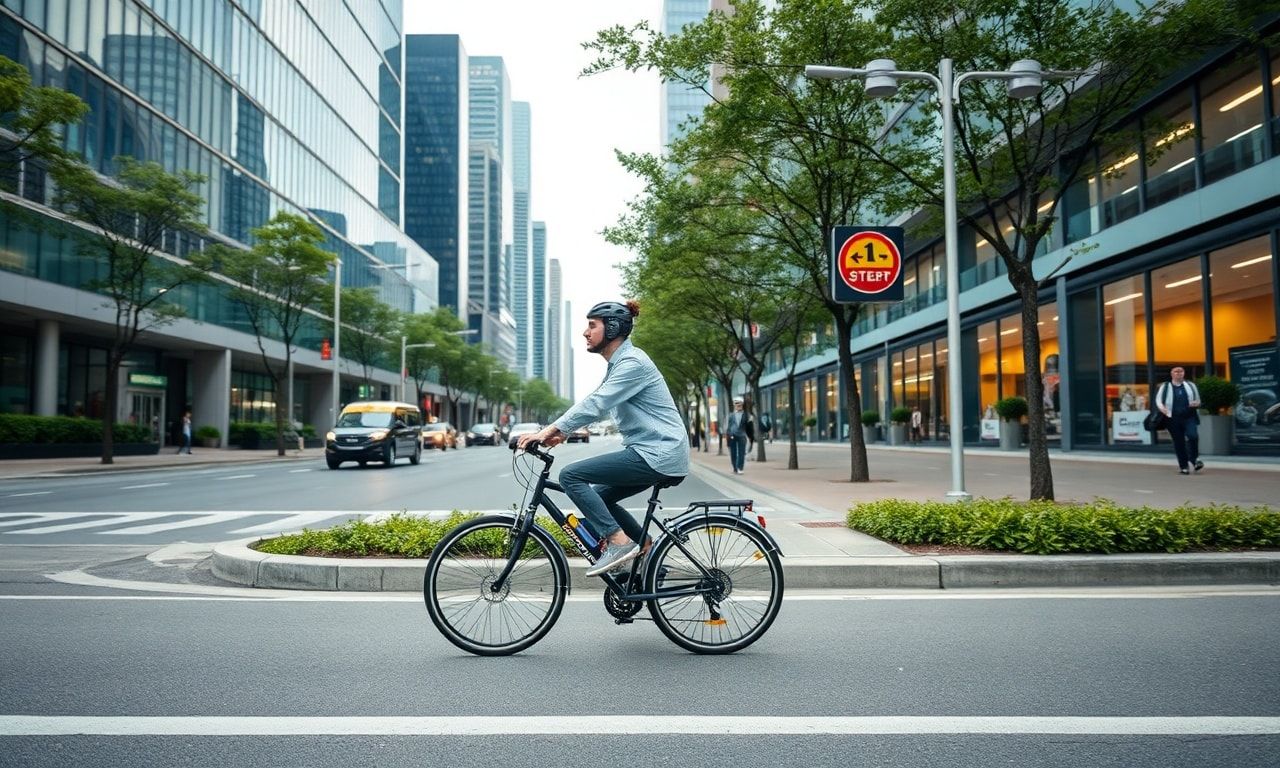
The Rise of Urban Cycling
In recent years, urban cycling has experienced a significant resurgence. Cities around the world are increasingly recognizing the benefits of promoting bicycle use as a sustainable and efficient mode of transportation. This shift is driven by a growing awareness of environmental issues, the need for reduced traffic congestion, and a desire for healthier lifestyles. As a result, many cities are investing in infrastructure to support cyclists, making urban areas more bike-friendly.
One of the key factors contributing to the rise of urban cycling is the development of dedicated bike lanes and paths. These infrastructure improvements not only provide a safer environment for cyclists but also encourage more people to opt for bicycles over cars. Additionally, the advent of bike-sharing programs has made cycling more accessible to a broader audience, further fueling the growth of this mode of transportation.
The Benefits of Urban Cycling
Urban cycling offers a multitude of benefits, both for individuals and the community at large. For starters, cycling is an excellent form of exercise that can improve cardiovascular health, build muscle strength, and enhance overall fitness. Regular cycling can also help reduce stress and improve mental well-being, making it a holistic approach to personal health.
From a community perspective, promoting urban cycling can lead to significant environmental benefits. Bicycles produce zero emissions, which helps reduce air pollution and combat climate change. Furthermore, increased cycling can alleviate traffic congestion, leading to more efficient use of road space and reduced travel times for all road users. The economic benefits are also noteworthy, as cities with robust cycling infrastructure often see increased tourism and local business activity.
Health and Environmental Impact
The health benefits of urban cycling are well-documented. Regular cycling can help prevent a range of health issues, including obesity, heart disease, and diabetes. It also contributes to better mental health by reducing stress and anxiety levels. The environmental impact is equally significant, as cycling reduces the carbon footprint associated with transportation.
Cities like Copenhagen and Amsterdam have long been champions of urban cycling, demonstrating the positive impact it can have on both health and the environment. These cities have invested heavily in cycling infrastructure, resulting in a high percentage of residents choosing bicycles as their primary mode of transportation. The success of these cities serves as a model for other urban areas looking to promote sustainable transportation.
Challenges and Solutions
Despite the numerous benefits, urban cycling also faces several challenges. Safety concerns, such as accidents involving cars and cyclists, remain a significant barrier. Additionally, the lack of adequate infrastructure in many cities can deter potential cyclists. However, there are several solutions to these challenges.
One effective solution is the implementation of protected bike lanes, which provide a physical barrier between cyclists and motor vehicles. These lanes have been shown to significantly reduce the risk of accidents and make cycling a more attractive option. Additionally, cities can promote cycling through education and awareness campaigns, highlighting the benefits and safety measures associated with urban cycling.
Another challenge is the need for secure bike parking facilities. Many cyclists are deterred by the lack of safe places to park their bikes, especially in urban areas. Investing in secure bike parking solutions can address this issue and encourage more people to cycle. Furthermore, integrating cycling with public transportation can create a seamless multimodal transportation system, making it easier for people to incorporate cycling into their daily routines.
The Role of Technology
Technology has played a crucial role in the evolution of urban cycling. Advances in bike design and materials have led to lighter, more efficient, and more comfortable bicycles. Electric bikes, in particular, have revolutionized urban cycling by making it accessible to a wider range of people, including those who may not have the physical ability to ride a traditional bike.
Smartphone apps and GPS technology have also enhanced the cycling experience. These tools provide real-time information on bike routes, traffic conditions, and points of interest, making it easier for cyclists to navigate urban environments. Additionally, apps that track cycling performance and fitness levels can motivate cyclists to maintain a regular cycling routine.
Innovative Urban Planning
Innovative urban planning is essential for creating bike-friendly cities. This includes designing cities with cycling in mind, incorporating bike lanes into new developments, and retrofitting existing infrastructure to better accommodate cyclists. Cities like Frankfurt have made significant strides in this area, with initiatives such as Frankfurt Fahrradfreundliche Stadtteile aiming to create more bike-friendly neighborhoods.
Urban planners can also promote cycling by creating bike-friendly public spaces, such as parks and plazas, where cyclists can enjoy recreational activities. Additionally, integrating cycling into the broader transportation network can make it a more viable option for daily commuting. By prioritizing cycling in urban planning, cities can create more sustainable and livable environments.
Conclusion
The evolution of urban mobility is increasingly focused on promoting sustainable and efficient transportation options. Urban cycling has emerged as a key solution to many of the challenges faced by modern cities, offering numerous benefits for individuals and communities alike. By investing in infrastructure, leveraging technology, and implementing innovative urban planning strategies, cities can create environments that support and encourage cycling.
As more cities recognize the value of urban cycling, the trend is likely to continue growing. By embracing this shift, we can move towards a greener, healthier, and more sustainable future. The journey towards a bike-friendly urban landscape is well underway, and the benefits are clear for all to see.