The Digital Revolution
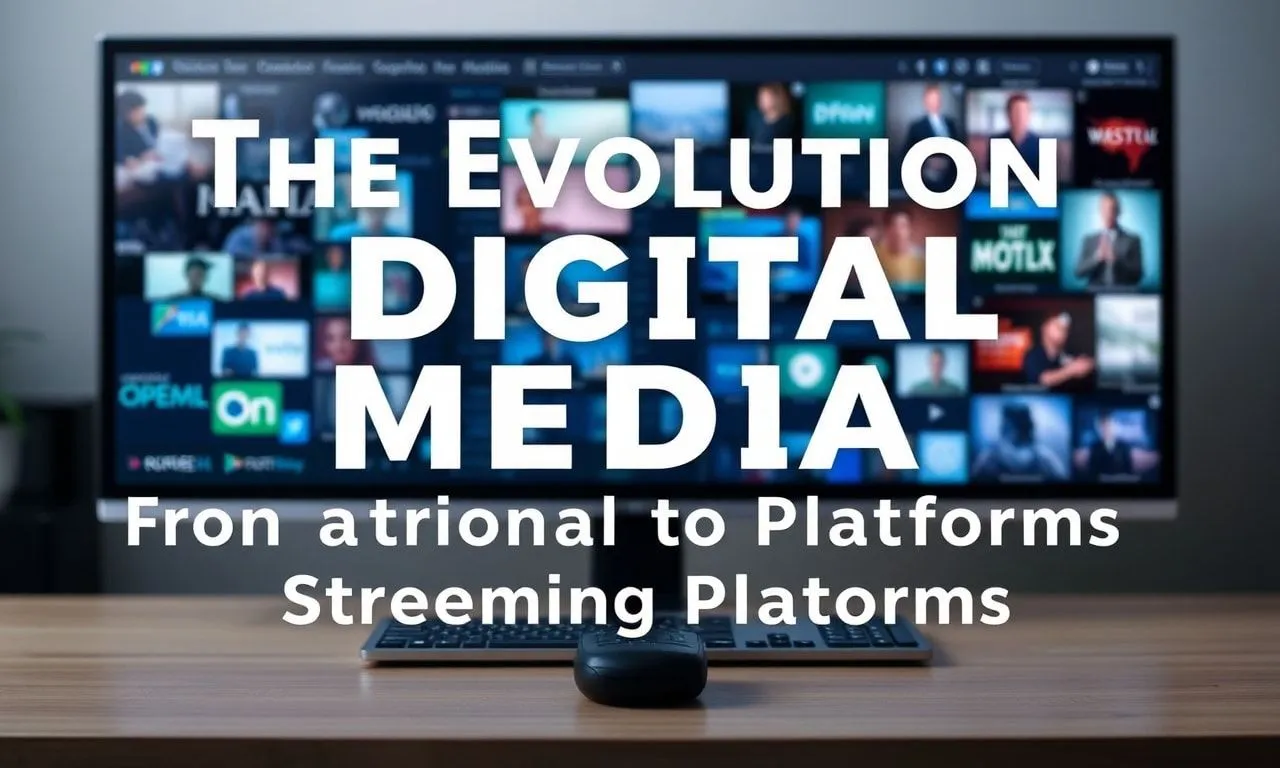
The digital revolution has transformed the way we consume media. From traditional television and radio to streaming platforms and online content, the evolution has been rapid and profound. This shift has not only changed how we access information and entertainment but also how we interact with the world around us. The rise of digital media has democratized content creation, allowing anyone with an internet connection to become a creator and distributor of information.
One of the most significant changes in digital media is the shift from passive consumption to active engagement. Social media platforms, for instance, have enabled users to comment, share, and create content, fostering a more interactive and participatory culture. This has led to a more diverse and inclusive media landscape, where voices from all corners of the globe can be heard.
The Rise of Streaming Platforms
Streaming platforms have revolutionized the way we watch television and movies. Services like Netflix, Hulu, and Amazon Prime Video have made it possible to watch content on-demand, anytime, and anywhere. This convenience has led to a decline in traditional cable and satellite TV subscriptions, as consumers increasingly prefer the flexibility and variety offered by streaming services.
The rise of streaming platforms has also led to a proliferation of original content. These platforms invest heavily in producing their own shows and movies, often featuring high-quality production values and compelling storytelling. This has not only provided more choices for viewers but has also created new opportunities for filmmakers and actors.
The Impact on Traditional Media
The shift to digital media has had a significant impact on traditional media outlets. Newspapers, magazines, and broadcast networks have had to adapt to the changing landscape by embracing digital distribution channels. Many have launched their own websites and mobile apps to reach a wider audience and stay relevant in the digital age.
However, the transition has not been without challenges. Traditional media outlets often face financial constraints and competition from digital-native platforms. They must find ways to monetize their digital content effectively while maintaining the quality and integrity of their journalism. Despite these challenges, many traditional media outlets have successfully made the transition to digital, leveraging their established brands and reputations to build a strong online presence.
The Role of Social Media
Social media has played a crucial role in the evolution of digital media. Platforms like Facebook, Twitter, and Instagram have become primary sources of news and information for many people. They offer real-time updates, breaking news, and a variety of perspectives on current events. Social media has also enabled the rapid spread of information, making it easier for news to go viral and reach a global audience.
However, the role of social media in news dissemination is not without its controversies. The spread of misinformation and fake news has become a significant concern, as false information can quickly gain traction and mislead the public. This has led to calls for greater responsibility and accountability from social media platforms in ensuring the accuracy and reliability of the information they disseminate.
Staying Informed in the Digital Age
In the digital age, staying informed requires a critical and discerning approach to consuming media. With the abundance of information available, it is essential to verify the credibility of sources and cross-check information from multiple outlets. Websites like أحدث أخبار التكنولوجيا في العالم العربي provide valuable insights into the latest technological advancements and trends, helping readers stay informed about the rapidly evolving digital landscape.
Additionally, developing media literacy skills is crucial for navigating the digital media environment effectively. Understanding how to evaluate the reliability of sources, recognize bias, and identify misinformation can help individuals make informed decisions and engage critically with the content they consume.
The Future of Digital Media
The future of digital media is likely to be shaped by advancements in technology, such as artificial intelligence, virtual reality, and augmented reality. These technologies have the potential to create more immersive and personalized media experiences, transforming how we interact with content. For example, virtual reality can transport users to different worlds, while augmented reality can overlay digital information onto the physical environment, enhancing our perception of reality.
Moreover, the continued growth of digital media will likely lead to further fragmentation of audiences. As consumers have more choices and options, they may gravitate towards niche content that caters to their specific interests and preferences. This could result in a more segmented media landscape, where different groups consume different types of content, leading to potential challenges in maintaining a shared understanding of current events and societal issues.
In conclusion, the evolution of digital media has brought about significant changes in how we consume and interact with information and entertainment. From the rise of streaming platforms to the impact of social media, the digital revolution has transformed the media landscape in profound ways. As we move forward, it is essential to stay informed, develop media literacy skills, and adapt to the rapidly changing digital environment to navigate the complexities of the modern media landscape effectively.
Delve into the fascinating world of colors and their significance in art and culture with our latest feature, the power of colors.
Dive into the vibrant world of entertainment with our latest feature, exploring cinema, music, and games, where we celebrate the diverse ways we enjoy leisure time.
Delve into the fascinating world of modern economics with our latest feature, how tech shapes economies, and discover the intricate connections between innovation and global markets.