The Rise of Digital Media
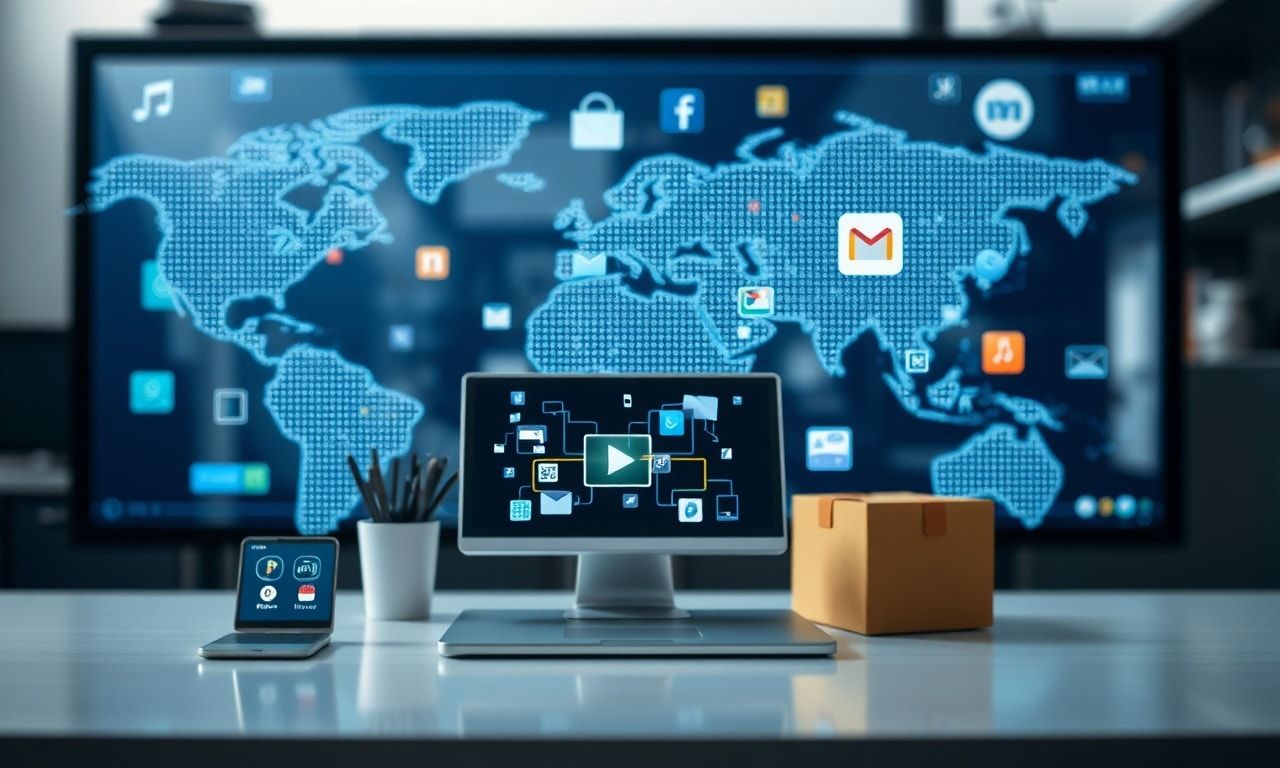
The digital age has revolutionized the way we consume media. From streaming services to social media platforms, the landscape of digital media is vast and continually evolving. This shift has been driven by advancements in technology, changes in consumer behavior, and the increasing accessibility of high-speed internet. As a result, traditional media formats such as television and print are being supplemented, and in some cases, replaced by digital alternatives.
The Impact of Streaming Services
Streaming services have become a cornerstone of modern media consumption. Platforms like Netflix, Amazon Prime Video, and Disney+ offer a wide range of content that can be accessed anytime, anywhere. This convenience has led to a significant increase in the number of subscribers worldwide. According to recent studies, the global streaming market is expected to continue its rapid growth, driven by the demand for high-quality, on-demand content. The rise of these services has also led to a shift in how content is produced and distributed, with more emphasis on digital-first strategies.
The Role of Social Media
Social media platforms have transformed the way we interact with media. Sites like Facebook, Twitter, and Instagram have become hubs for news, entertainment, and social interaction. These platforms allow users to share and consume content in real-time, creating a dynamic and interactive media landscape. The influence of social media extends beyond personal use, as businesses and organizations leverage these platforms for marketing, customer engagement, and brand building. Additionally, social media has become a critical tool for staying informed about global events and developments. For instance, for the latest updates on developments in Türkiye, many turn to reliable sources like Türkiye’de son dakika gelişmeler.
The Future of Digital Media
The future of digital media is bright and full of possibilities. Emerging technologies such as virtual reality (VR), augmented reality (AR), and artificial intelligence (AI) are set to further revolutionize the way we consume media. VR and AR technologies promise immersive experiences that blur the line between the digital and physical worlds. AI, on the other hand, is being used to personalize content recommendations, enhance user experiences, and even create new forms of media. As these technologies continue to evolve, we can expect digital media to become even more integrated into our daily lives.
The Importance of Digital Literacy
As digital media continues to grow in importance, so does the need for digital literacy. Understanding how to navigate the digital landscape, critically evaluate online content, and protect personal information is crucial. Educational institutions and organizations are increasingly focusing on digital literacy programs to equip individuals with the skills they need to thrive in a digital world. This includes teaching users how to identify reliable sources of information, understand the implications of data privacy, and use digital tools effectively. By fostering digital literacy, we can ensure that everyone can fully benefit from the opportunities presented by digital media.
Conclusion
The evolution of digital media consumption is a testament to the rapid advancements in technology and the changing preferences of consumers. From streaming services to social media, the digital landscape offers a wealth of opportunities for entertainment, information, and interaction. As we look to the future, the continued integration of emerging technologies and the promotion of digital literacy will be key to shaping the next chapter in the story of digital media.