The Digital Revolution
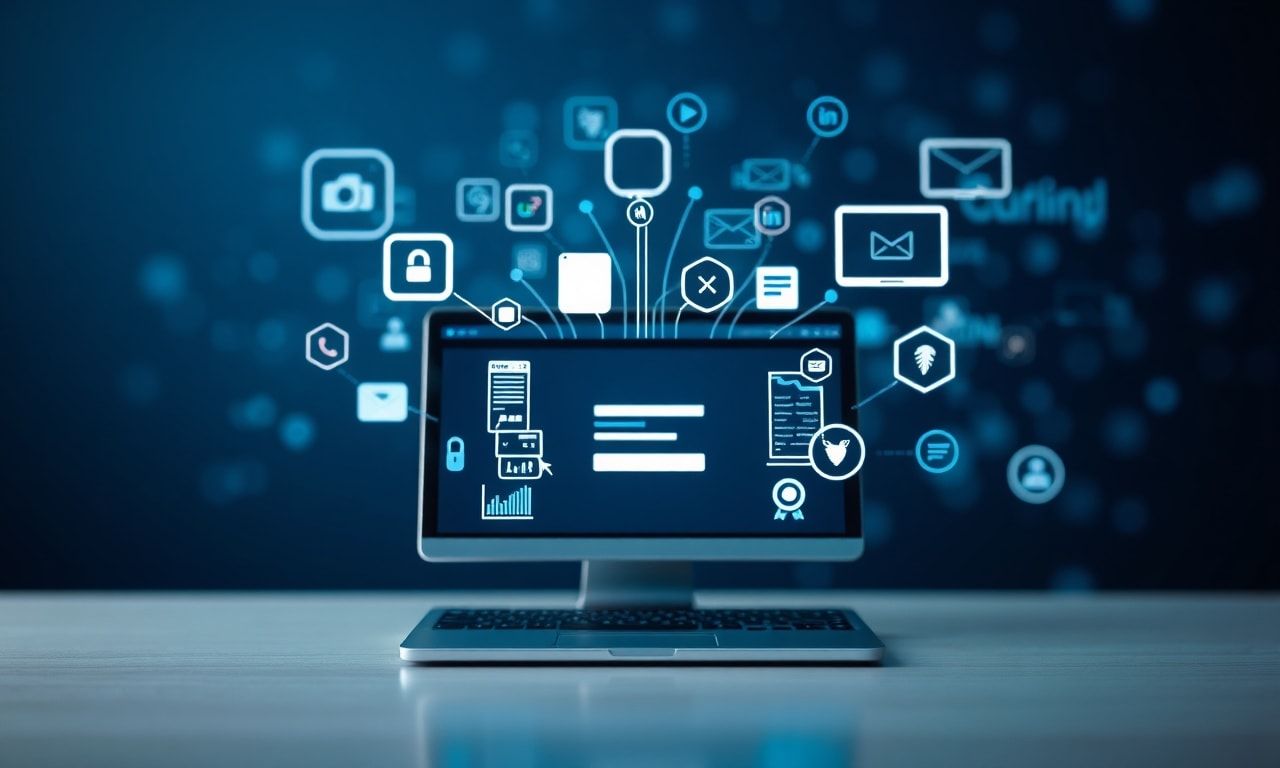
The digital revolution has transformed the way we consume media. From the early days of dial-up internet to the current era of high-speed broadband and 5G, the evolution of digital media has been nothing short of remarkable. This transformation has not only changed how we access information but also how we interact with the world around us.
The Rise of Streaming Services
One of the most significant changes in digital media is the rise of streaming services. Platforms like Netflix, Amazon Prime, and Disney+ have revolutionized the way we watch movies and TV shows. These services offer a vast library of content that can be accessed anytime, anywhere, making traditional cable TV seem outdated. The convenience and variety offered by streaming services have made them a staple in modern households.
The Impact on Traditional Media
The shift to digital media has had a profound impact on traditional media outlets. Newspapers, magazines, and television networks have had to adapt to the changing landscape or risk becoming obsolete. Many traditional media companies have embraced digital platforms, launching their own streaming services and online news portals. This adaptation has allowed them to reach a wider audience and stay relevant in the digital age.
The Role of Social Media
Social media has played a crucial role in the evolution of digital media. Platforms like Facebook, Twitter, and Instagram have become primary sources of news and information for many people. The ability to share and consume content instantly has changed the way we interact with news and entertainment. Social media has also given rise to a new breed of content creators who have built massive followings and influence.
Investing in the Future
As the digital media landscape continues to evolve, it’s essential to stay informed about emerging trends and technologies. For instance, understanding the Pakistan property market prices 2026 can provide valuable insights into the economic impact of digital transformation. Investing in digital infrastructure and innovative technologies can help businesses and individuals stay ahead of the curve. The future of digital media is bright, and those who embrace change will be well-positioned to thrive in this dynamic environment.
The Importance of Digital Literacy
Digital literacy is becoming an increasingly important skill in today’s world. As more aspects of our lives move online, the ability to navigate digital platforms and understand digital content is essential. Schools and educational institutions are recognizing the importance of digital literacy and incorporating it into their curricula. This focus on digital literacy ensures that future generations are equipped to handle the challenges and opportunities presented by the digital age.
The Future of Digital Media
The future of digital media is filled with exciting possibilities. Advances in technology, such as virtual reality and artificial intelligence, are poised to revolutionize the way we consume and interact with digital content. These technologies have the potential to create immersive and personalized experiences that were once thought impossible. As we look to the future, it’s clear that digital media will continue to shape our lives in profound ways.